


How Often Should You Clean Your AC Filters In Forster?
Air conditioners tend to fade into the background of everyday life. Once installed, they quietly maintain comfortable indoor temperatures without much thought from homeowners. When a room cools down quickly and airflow feels steady, the system appears to be working perfectly. However, one of the most important parts of the system is often hidden behind a simple removable panel: the air filter.
Air conditioning filters serve as the first line of defence for both the system and the air circulating throughout the home. They trap dust, pollen, fibres, and other airborne particles before these contaminants can enter the internal components of the unit. Over time, this collection of debris gradually builds up within the filter.
Without regular cleaning, airflow can become restricted and the system may need to work harder to maintain the desired temperature. Understanding how frequently filters should be cleaned can help homeowners maintain consistent comfort, improve air circulation, and reduce unnecessary strain on the air conditioner.
Regular attention to filters is one of the simplest ways to support efficient cooling performance.
Why clean air conditioning filters matter more than most homeowners realise
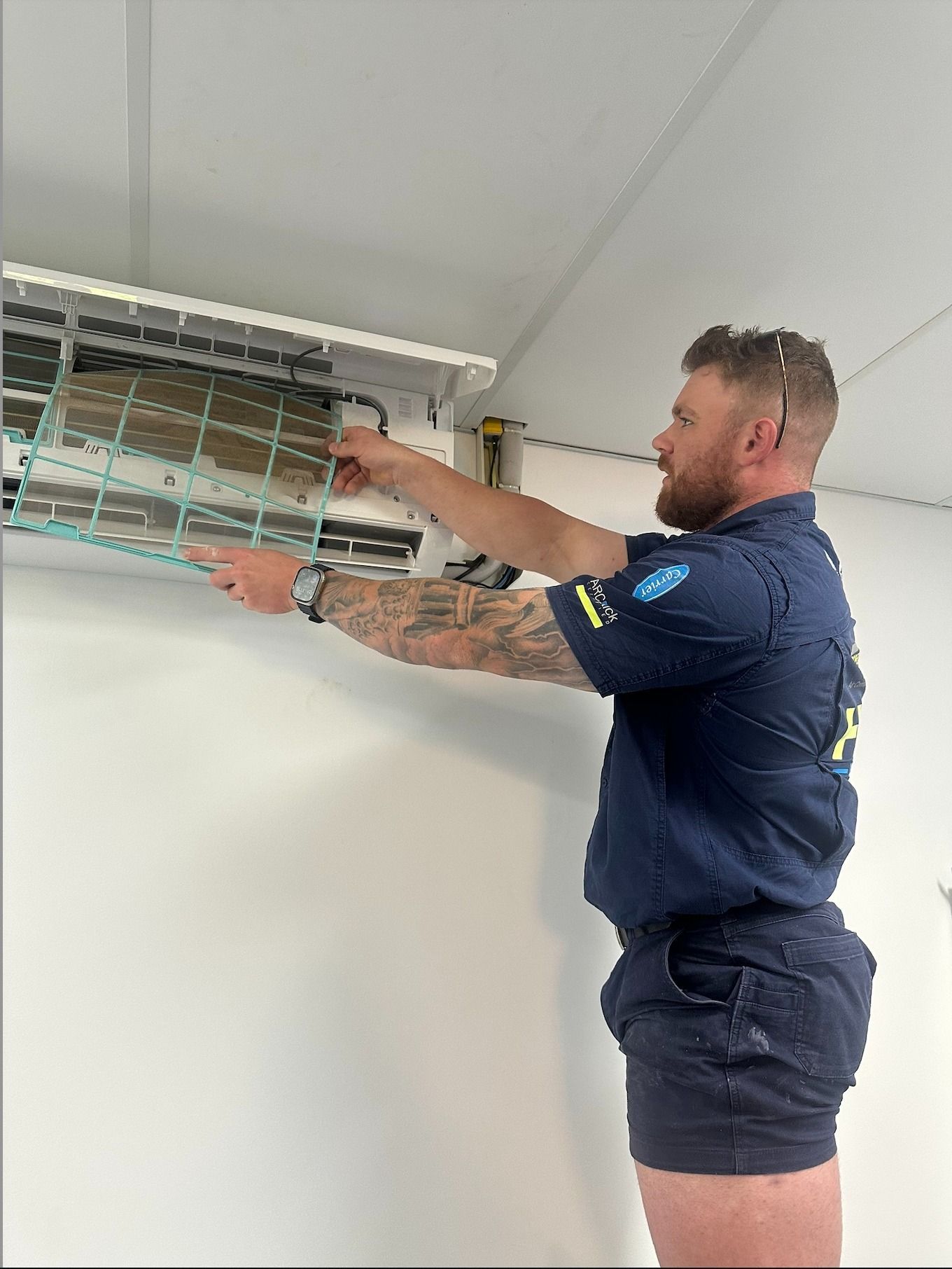
Air filters play a crucial role in the overall operation of an air conditioning system. As the system pulls warm air from the room to cool it, that air passes through the filter before moving through the internal components. The filter captures particles that would otherwise accumulate inside the system or circulate back into living spaces.
When filters are clean, airflow remains smooth and consistent. When they become clogged with dust and debris, airflow gradually becomes restricted. This restriction can reduce cooling efficiency and cause the system to work harder than necessary.
Clean filters contribute to several important outcomes:
- improved airflow throughout the home
- reduced buildup inside the system’s internal components
- more stable cooling performance
- cleaner air circulating through living areas
Regular filter cleaning is not simply about cleanliness. It helps protect the overall functionality of the air conditioning system while supporting healthy indoor air circulation.
How dust, humidity, and everyday household activity affect filter performance
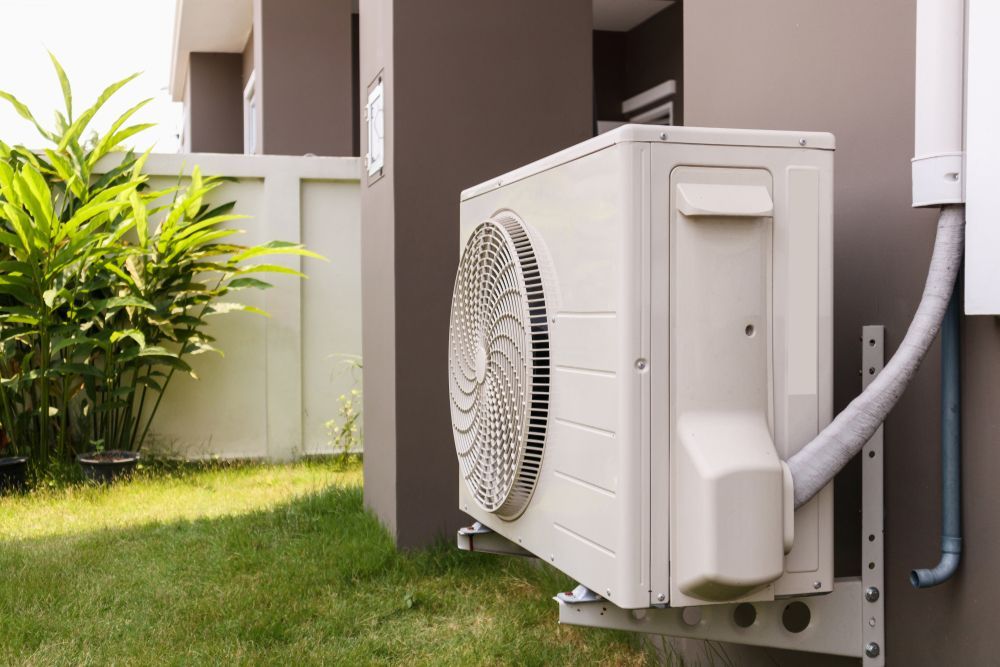
Even in well maintained homes, dust and airborne particles accumulate naturally. Everyday activities such as cooking, vacuuming, walking through rooms, or opening windows introduce fine particles into the air.
Air conditioning systems continuously draw air through their filters while operating. This means filters steadily collect dust, fibres, and microscopic debris during normal household activity.
Environmental conditions can also accelerate this process. High humidity can cause particles to cling together more easily, which may lead to faster filter buildup.
Some of the most common contributors to dirty filters include:
- household dust from carpets, fabrics, and furniture
- fibres released during cleaning and daily movement
- pollen entering through open doors or windows
- cooking particles and airborne grease
Because these factors are part of everyday living, filter buildup is unavoidable. Routine inspection simply ensures the accumulation does not begin to interfere with airflow.
Typical cleaning schedules for residential air conditioning systems
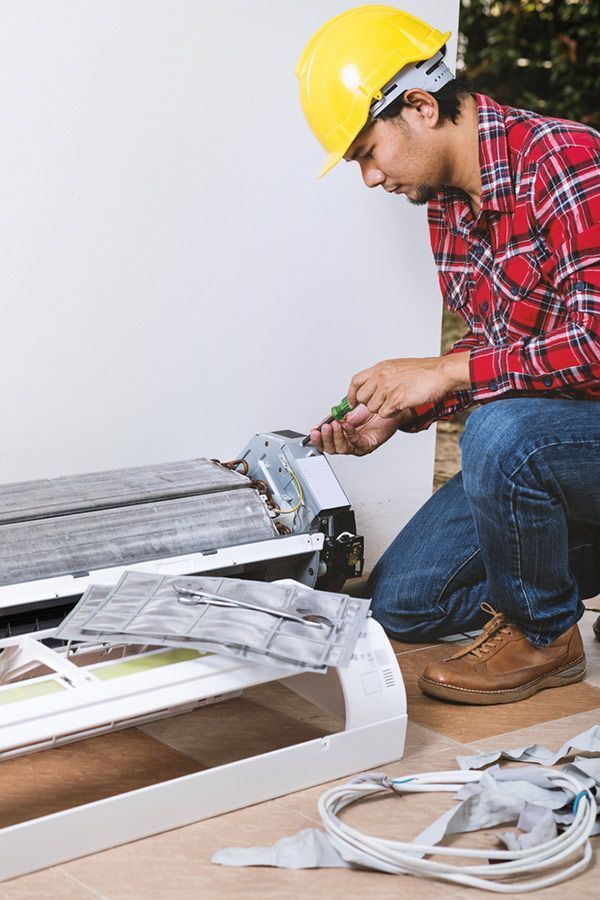
While every home is slightly different, most air conditioning systems benefit from regular filter checks throughout the year. Filters can gradually collect debris over weeks or months depending on how often the system runs.
A practical approach is to incorporate filter inspections into regular household maintenance routines. Many homeowners find it helpful to check filters at the start of each month, particularly during warmer seasons when cooling systems operate more frequently.
Typical maintenance recommendations often include:
- checking filters monthly during periods of regular system use
- cleaning filters every one to three months depending on buildup
- inspecting filters more often during hot weather
- arranging periodic servicing to inspect the entire system
Developing a routine helps ensure filters remain clean enough to maintain good airflow without requiring constant attention.
Signs your AC filters need attention sooner than expected
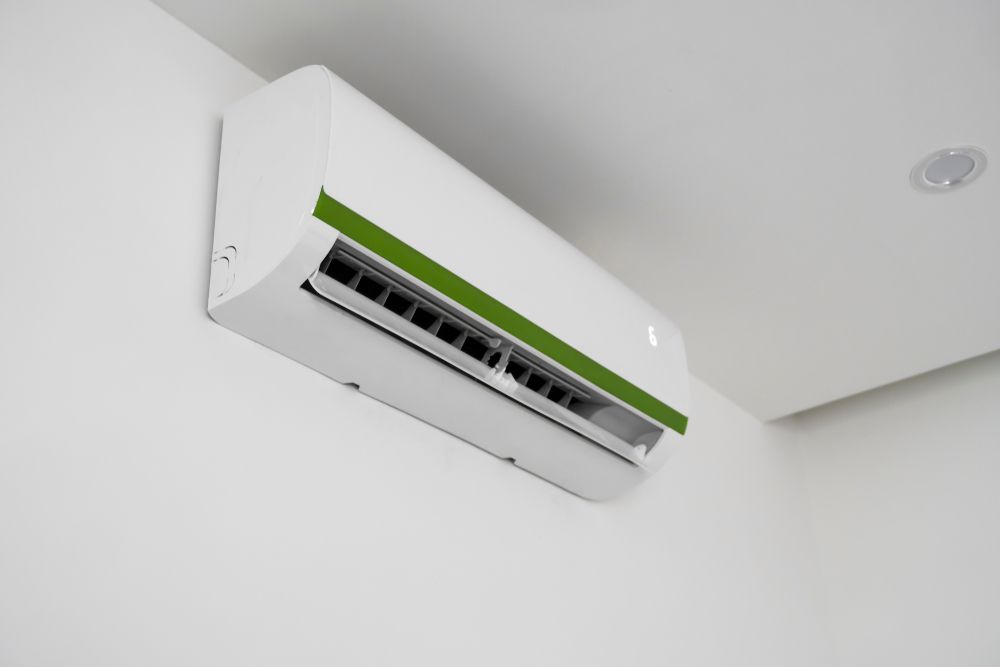
Even with a regular cleaning schedule, some filters may become clogged sooner than expected. Observing how the air conditioner performs can often provide useful clues that the filter requires attention.
When filters begin to fill with debris, airflow becomes more restricted. This can affect how quickly the system cools rooms and how evenly air circulates throughout the home.
Common warning signs that filters may need cleaning include:
- weaker airflow coming from vents
- longer cooling times when the system runs
- visible dust accumulation on the filter surface
- a noticeable increase in system runtime
Recognising these signs early allows homeowners to address the issue quickly before reduced airflow begins to impact overall system performance.
How pets, renovations, and busy households can shorten cleaning intervals
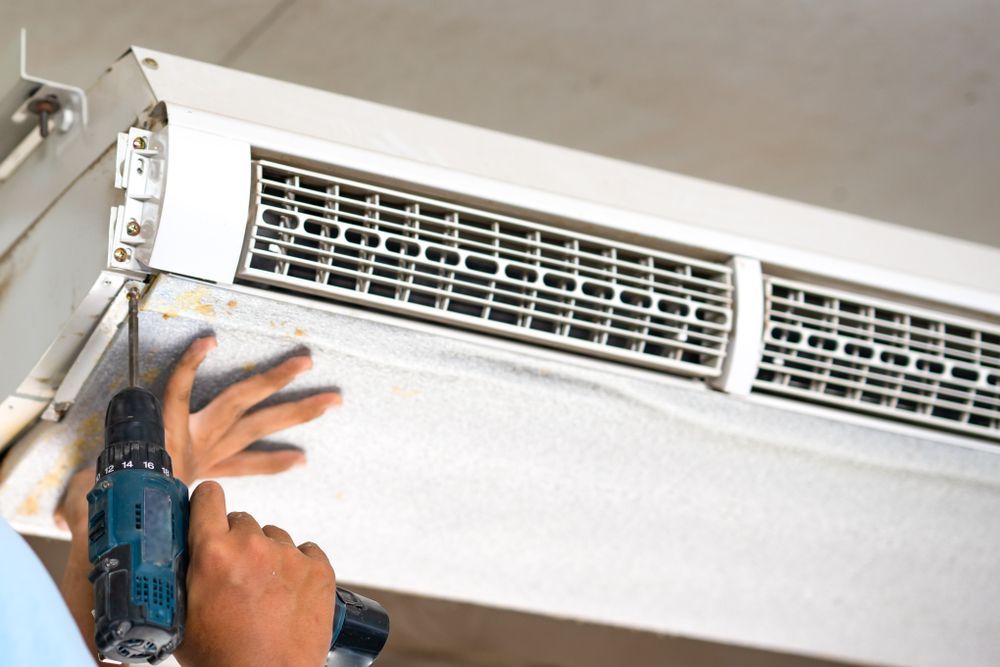
Certain household environments can cause filters to become dirty more quickly than usual. Homes with pets, for example, often experience higher levels of hair and dander circulating through the air.
Similarly, construction or renovation work can release fine particles of plaster dust, wood fibres, or other building materials. These particles easily become trapped in air conditioning filters.
Situations that may require more frequent filter cleaning include:
- households with pets that shed hair or dander
- renovation or construction projects inside the home
- frequent use of heating and cooling systems
- high levels of indoor activity throughout the day
Understanding these factors helps homeowners adjust cleaning schedules based on how quickly debris accumulates in their particular environment.
The connection between clean filters, energy efficiency, and cooling costs
Air conditioning systems rely on consistent airflow to function efficiently. When filters become clogged, the system must work harder to draw air through the restricted filter surface.
This additional workload can lead to longer operating cycles and higher energy consumption over time. In contrast, clean filters allow the system to circulate air more easily.
Maintaining clean filters supports:
- smoother airflow through the system
- stable cooling performance across rooms
- reduced strain on system components
- more efficient energy use during operation
Regular filter cleaning is therefore a small maintenance task that can contribute to better overall efficiency and system reliability.
When professional air conditioning servicing becomes the better option
While many air conditioning filters are accessible for homeowners to clean, professional servicing still plays an important role in maintaining system health. Technicians can inspect parts of the system that are not visible during routine filter checks.
Internal components such as evaporator coils, drainage systems, and electrical connections may require specialised cleaning or inspection.
Professional servicing typically includes:
- assessing overall system airflow
- inspecting internal components for buildup
- cleaning areas that are difficult to access
- identifying early signs of wear or reduced efficiency
Regular professional maintenance helps complement routine filter cleaning and ensures the entire system continues operating as intended.
Building a simple maintenance routine that protects your air conditioning system
One of the most effective ways to maintain an air conditioning system is to establish a simple and consistent maintenance routine. Filter checks take only a few minutes but can make a noticeable difference in system performance.
Many homeowners find it helpful to link filter checks with other household tasks such as seasonal cleaning or monthly home maintenance.
A practical routine might include:
- inspecting filters at the start of each month
- cleaning filters whenever visible dust begins to accumulate
- arranging professional inspections periodically
- monitoring airflow and system performance throughout the year
Over time, these small habits help maintain efficient cooling and extend the lifespan of the system.
We at Aircon Mid North Coast understand that coastal conditions can place additional pressure on air conditioning systems. Humidity, sea air, sand, and seasonal heat can all influence how often filters need cleaning and how efficiently cooling systems operate.
If you would like professional support from experienced
air conditioning electricians on the Mid North Coast, visit
our website to learn more or
arrange a service. Our team works with homeowners managing air conditioning in Forster systems and provides practical maintenance solutions suited to the demands of Forster air conditioning environments.