


How To Avoid Common Installation Mistakes In Forster Homes
Installing new systems or appliances at home can be exciting. Whether you’re upgrading cooling, improving ventilation or adding insulation, the goal is usually the same — better comfort, improved efficiency and long-term reliability. However, installation mistakes are more common than many homeowners realise, particularly in coastal regions where climate plays a significant role in how systems perform.
In Forster, factors such as humidity, salt air and seasonal temperature changes can influence how well an installation holds up over time. Avoiding common errors during setup — especially when installing air conditioning in Forster homes — can save money, reduce maintenance issues and help systems operate more consistently.
This guide outlines frequent installation mistakes, explains why they matter in coastal properties and offers practical home installation tips Forster homeowners can apply before work begins.
Not Considering Coastal Conditions
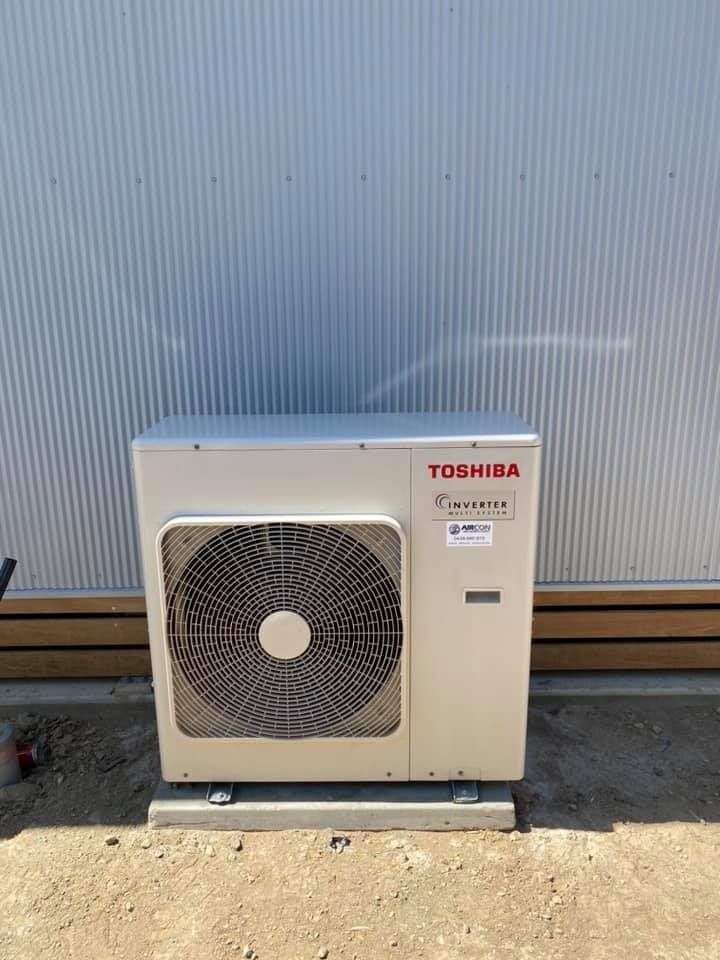
Forster’s coastal environment is one of its greatest lifestyle benefits, but it can also create additional challenges for home systems.
Why It Matters
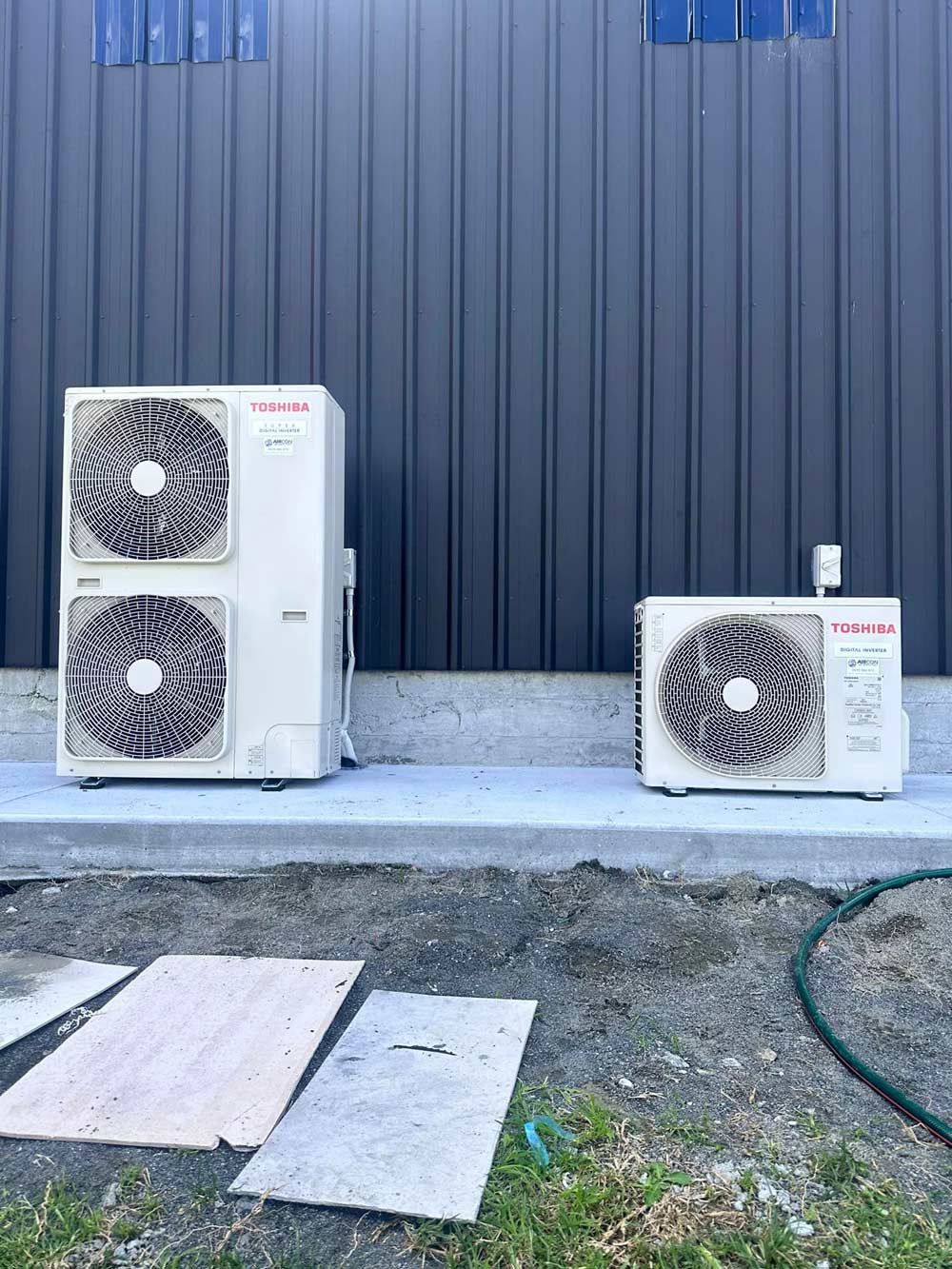
Salt-laden air can accelerate corrosion in metal components, especially outdoor units for cooling systems. Humidity can affect insulation performance and increase strain on ventilation and air conditioning equipment.
Common oversights include:
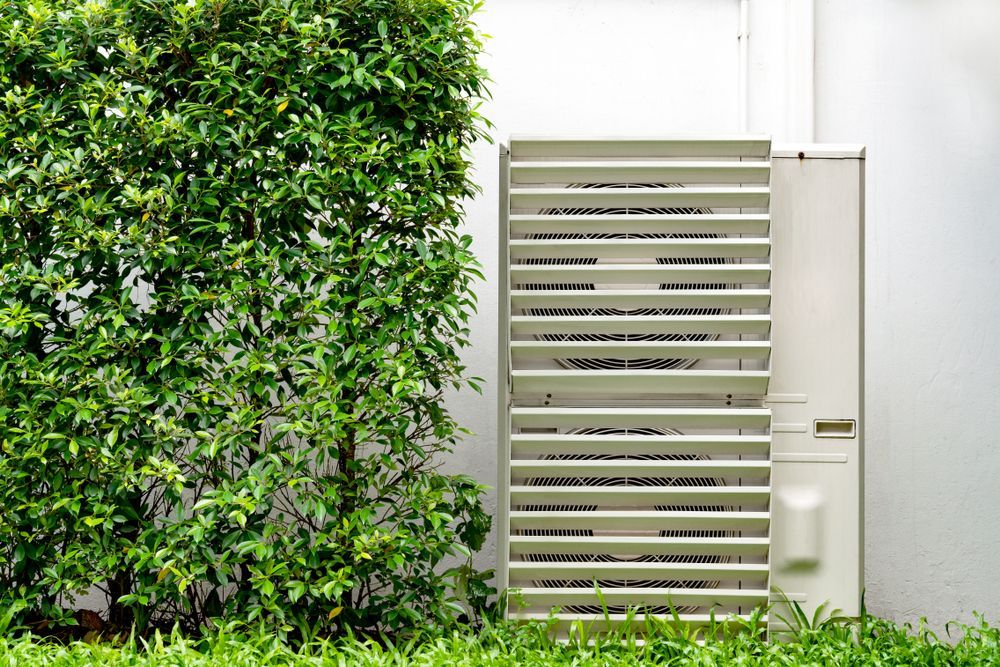
- Installing outdoor units too close to direct salt exposure without protection
- Choosing materials that are not suited to coastal conditions
- Ignoring ventilation needs in humid spaces
When planning Forster air conditioning, positioning and equipment choice should account for these environmental factors.
Incorrect Sizing of Air Conditioning Systems
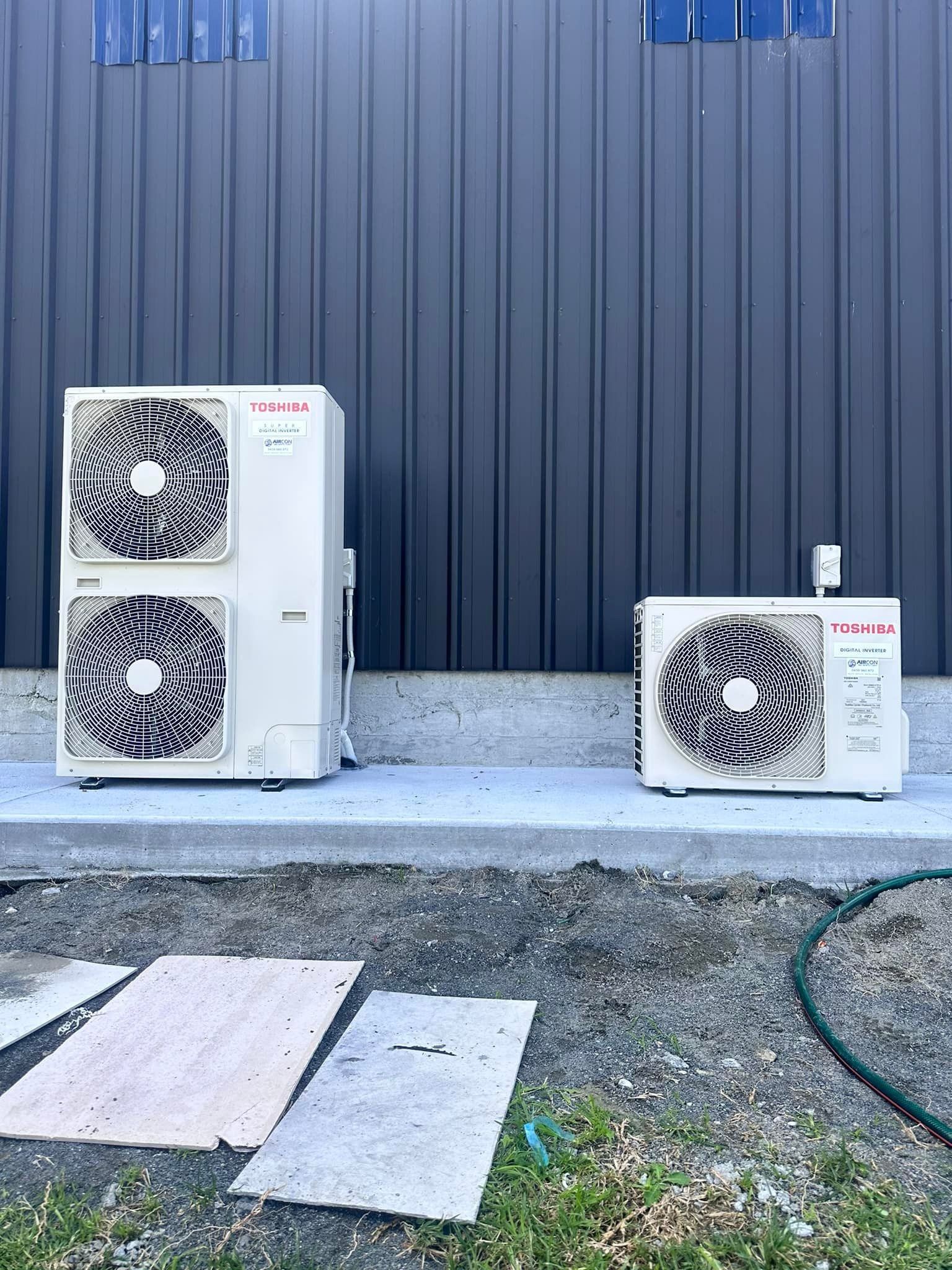
One of the most common mistakes in residential installations is choosing the wrong size system.
Oversized Systems
An oversized air conditioner may:
- Cycle on and off too frequently
- Struggle to properly remove humidity
- Use more energy than necessary
Undersized Systems
An undersized unit may:
- Run continuously
- Struggle to cool during peak heat
- Experience premature wear
Accurate load calculations based on room size, ceiling height, insulation and sun exposure are essential for effective air conditioning in Forster homes.
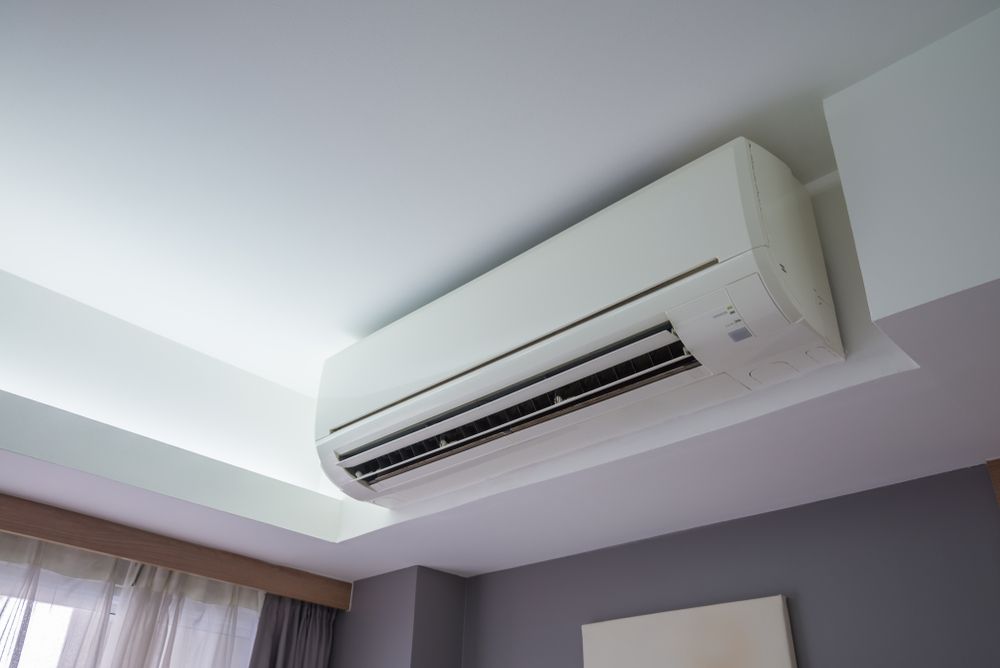
Poor Placement of Indoor Units
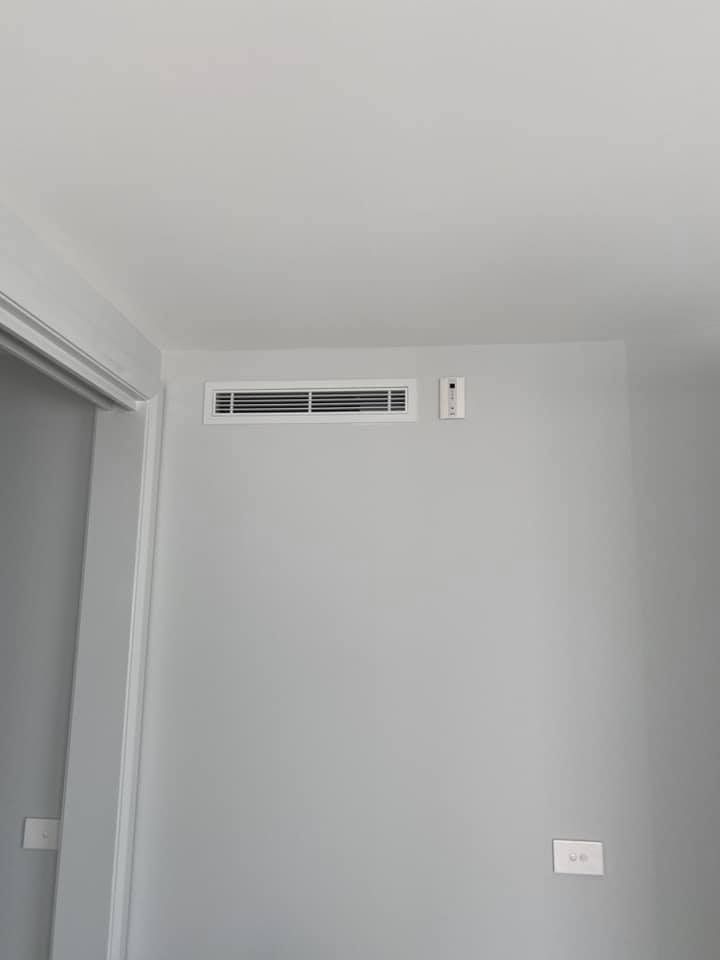
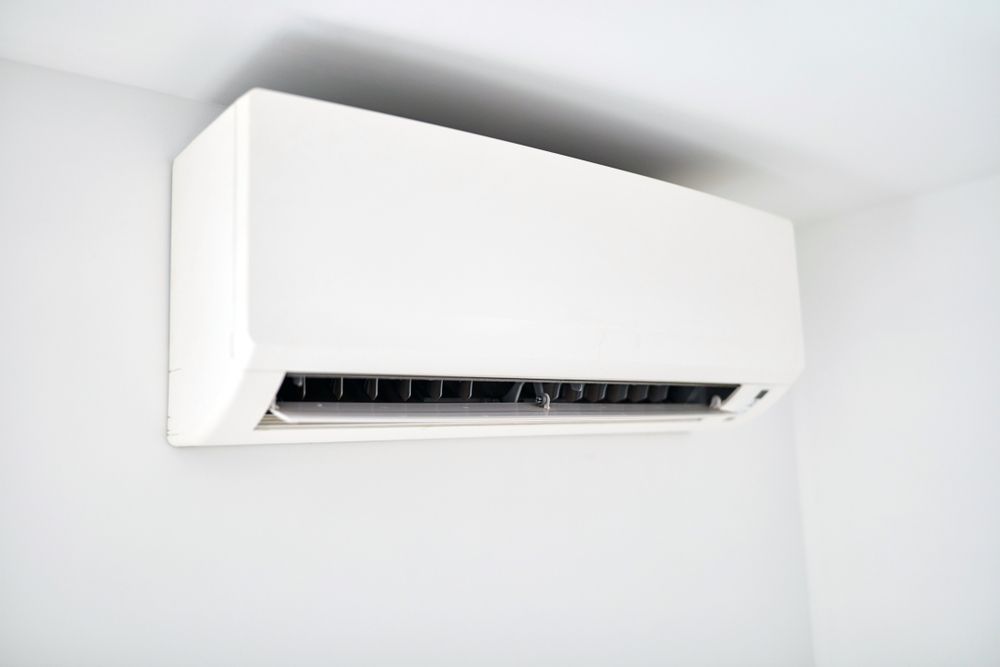
The location of an indoor air conditioning unit significantly impacts comfort and airflow.
Common placement mistakes include:
- Positioning units directly above beds or seating areas
- Installing units in areas with restricted airflow
- Mounting too close to ceilings without proper clearance
- Ignoring how open-plan layouts affect air distribution
In many Forster homes, open living areas and sliding doors can influence airflow patterns. Considering the layout carefully helps achieve more balanced cooling.
Neglecting Drainage Planning
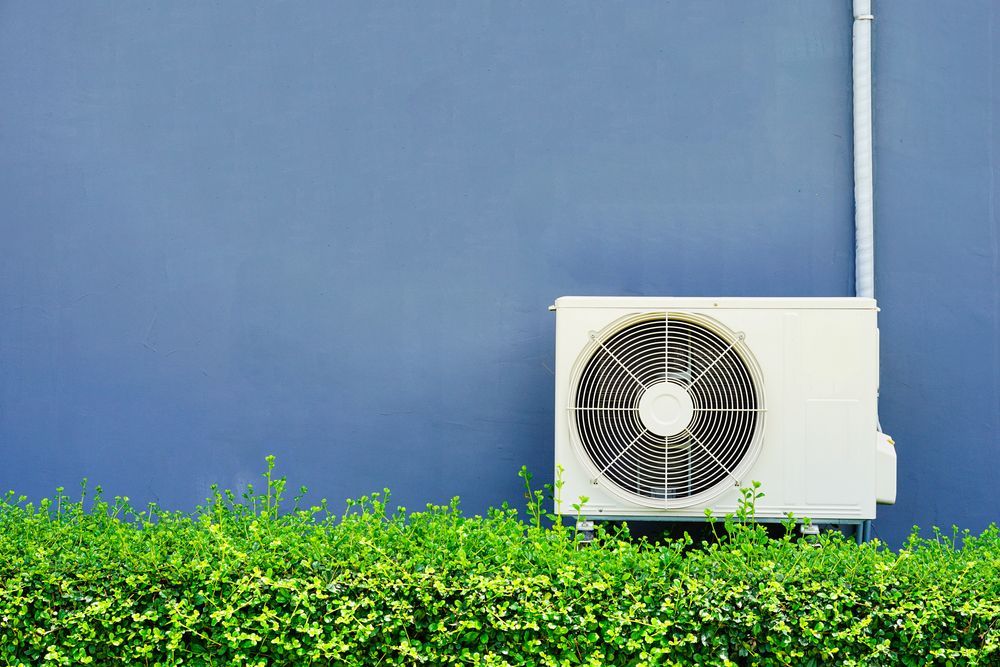
Air conditioning systems produce condensation, particularly in humid coastal climates. If drainage is not planned properly, it can lead to water damage or mould growth.
Mistakes may include:
- Incorrect slope in drain lines
- Poorly secured drainage pipes
- Directing runoff toward foundations or walkways
Given Forster’s humidity levels, proper drainage is especially important to avoid long-term moisture problems.
Ignoring Insulation and Sealing
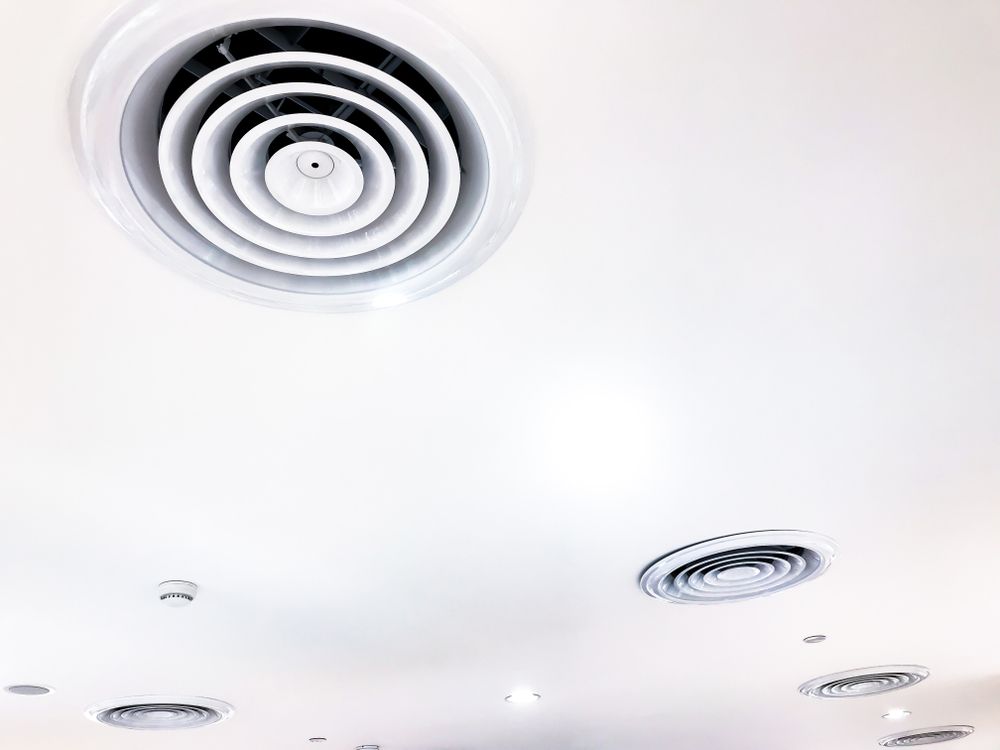
Cooling performance is not just about the air conditioner itself. Inadequate insulation or poor sealing can undermine system efficiency.
Issues to watch for:
- Gaps around windows and doors
- Insufficient ceiling insulation
- Unsealed wall penetrations for piping
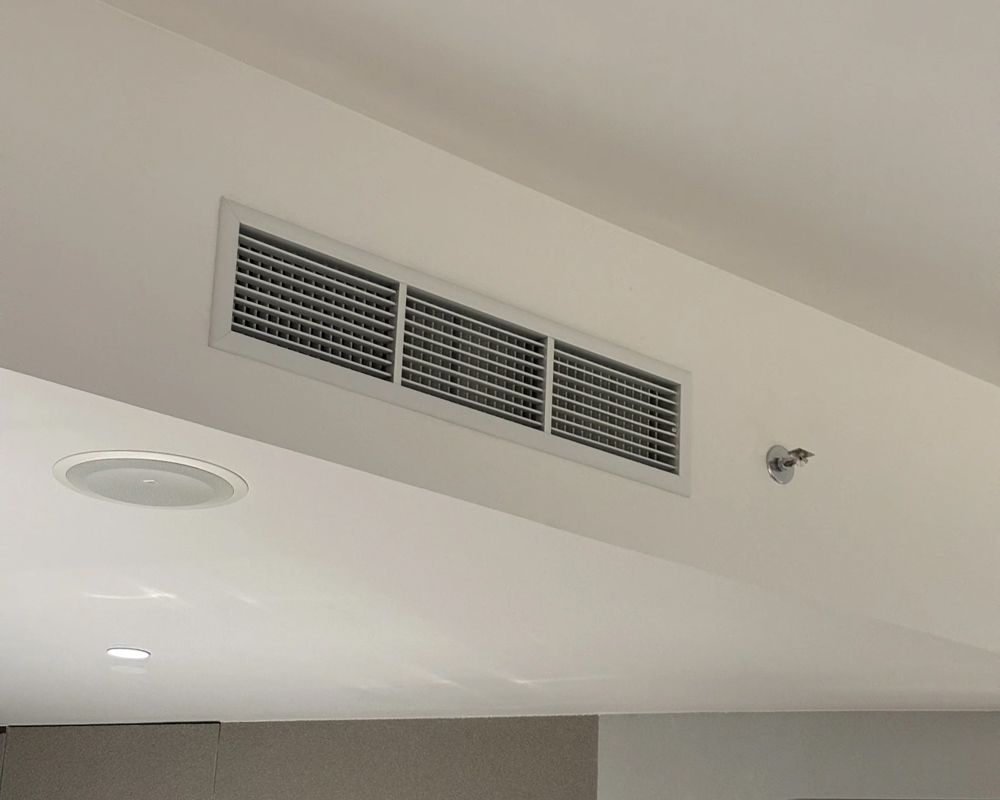
- Poorly insulated ductwork
When insulation and sealing are overlooked, even a well-installed air conditioning system may struggle to maintain comfortable indoor temperatures.
DIY Electrical Work

Some homeowners attempt to reduce costs by handling electrical connections themselves. This can create safety risks and compliance issues.
Potential problems include:
- Incorrect wiring
- Inadequate circuit protection
- Overloaded power circuits
- Voided equipment warranties
Professional installation reduces the risk of electrical faults and supports safe operation.
Skipping Pre-Installation Checks
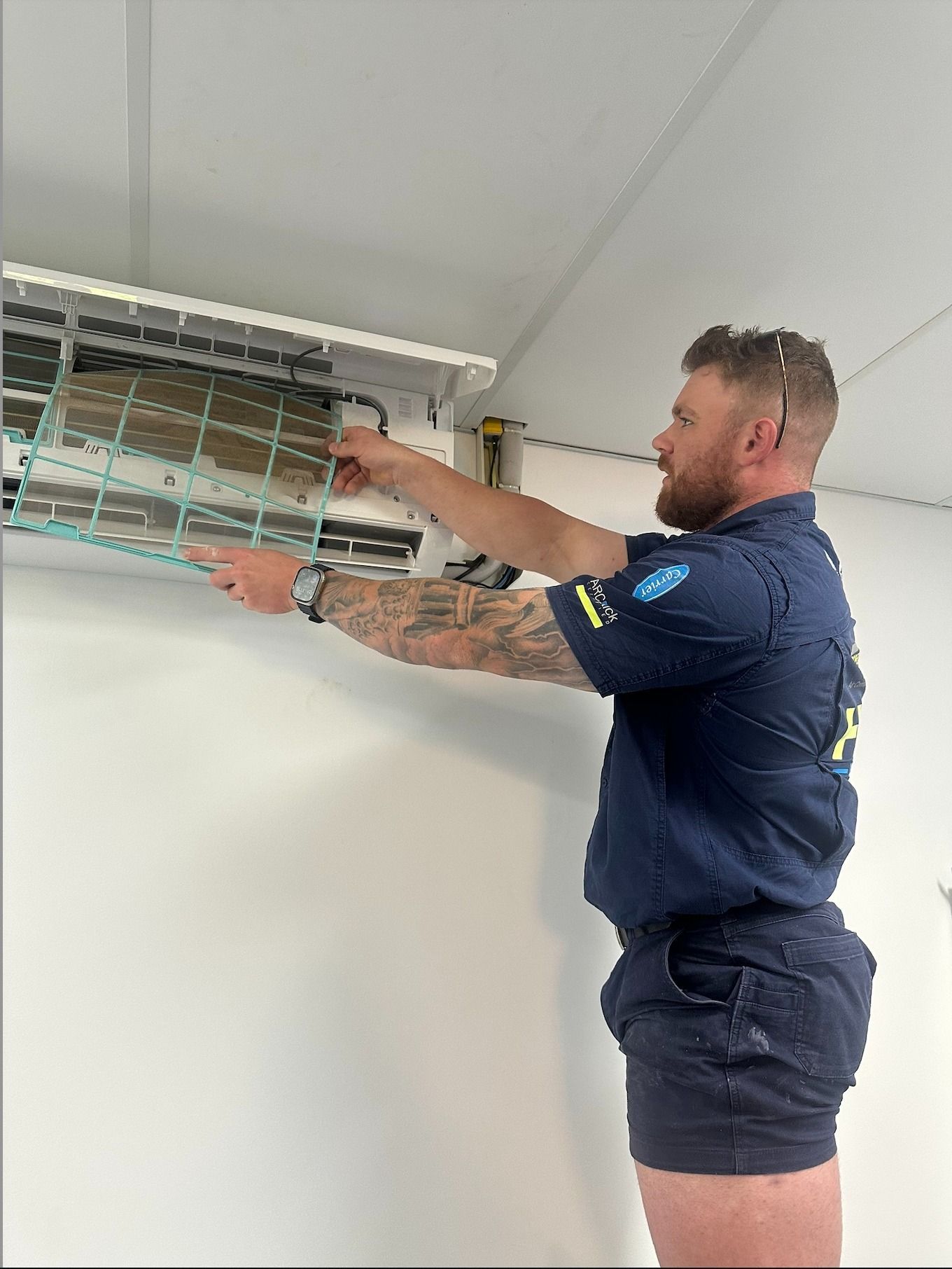
Before installing new equipment, it’s important to assess existing infrastructure.
For example, before installing air conditioning in Forster, consider:
- The capacity of your electrical system
- Existing ventilation layout
- Structural suitability for mounting
- Access for future maintenance
Skipping these checks can result in rework or unexpected expenses later.
Not Planning for Maintenance Access
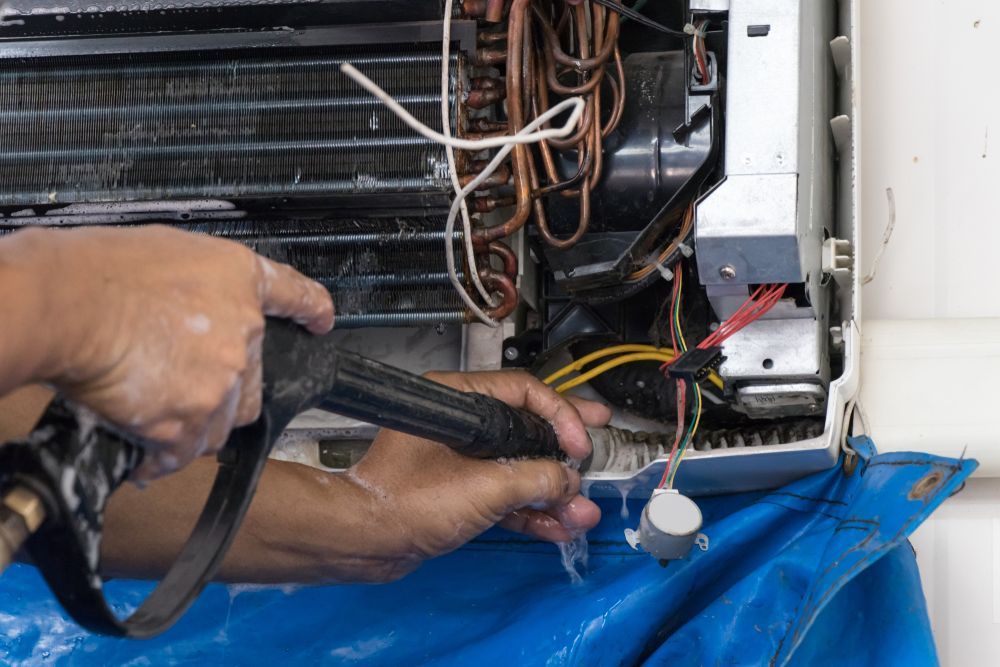
Installation isn’t just about today — it should also account for future servicing.
Common oversights include:
- Mounting outdoor units in hard-to-access areas
- Blocking service panels
- Installing systems in tight roof cavities without safe access
Easy access supports routine cleaning and inspections, which are particularly important in coastal climates where salt and moisture can build up.
Overlooking Noise Considerations
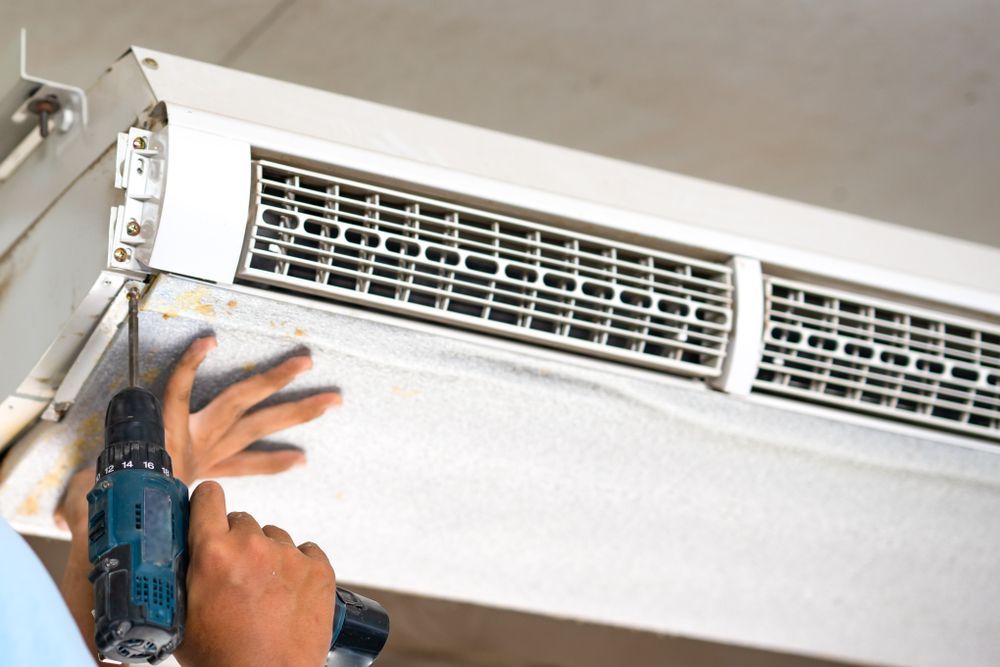
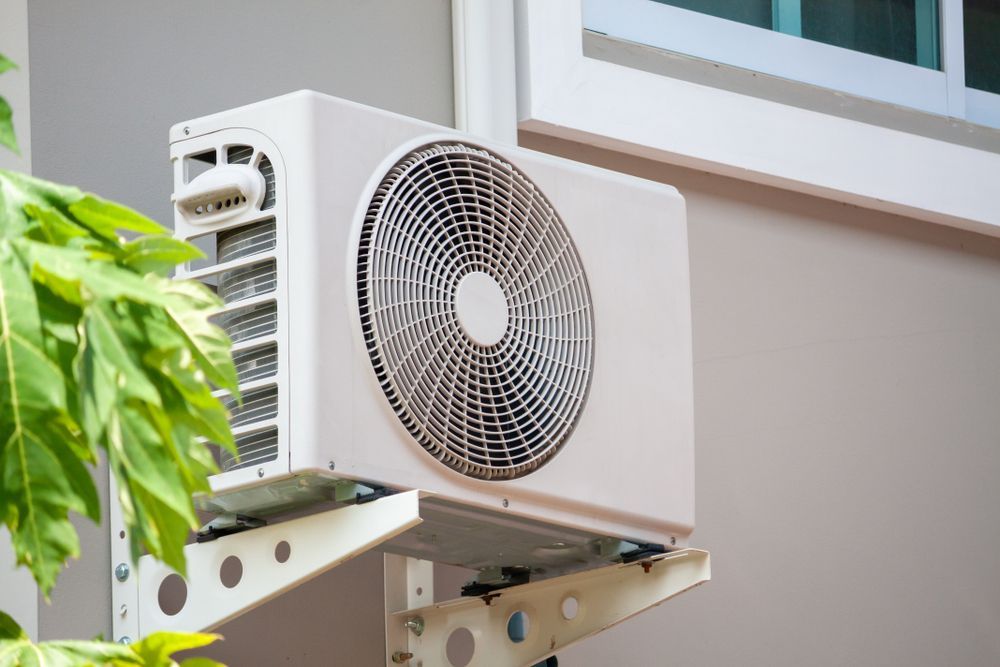
Outdoor air conditioning units generate noise during operation. Placing them too close to bedrooms or neighbouring properties can create discomfort.
Considerations include:
- Distance from living areas
- Mounting surfaces that may amplify vibration
- Local council guidelines
Thoughtful placement supports both comfort and neighbourly relations.
Failing to Account for Humidity Control
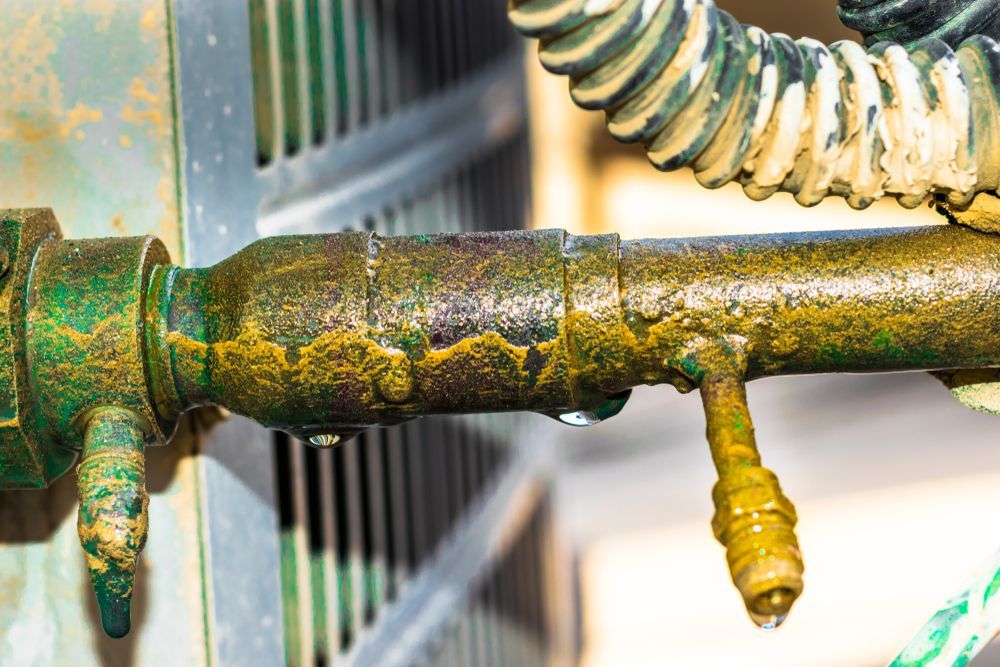
In coastal areas like Forster, humidity management is just as important as temperature control.
Some systems focus primarily on cooling without adequately addressing moisture removal. This can lead to:
- A clammy indoor feel
- Condensation on windows
- Increased mould risk
Selecting a system suited to humid conditions is one of the most valuable home installation tips Forster homeowners can follow.
Choosing Price Over Suitability
While budget is always a consideration, selecting equipment purely on price may result in compromises.
It’s important to consider:
- Energy efficiency ratings
- Durability in coastal environments
- Suitability for room size and layout
- Warranty terms
Balancing cost with long-term performance can reduce stress and unexpected repairs.
Not Understanding Zoning Options
For larger homes or multi-level properties, zoning can improve comfort and energy use.
Without zoning, homeowners may:
- Cool unused rooms unnecessarily
- Experience uneven temperatures
- Increase running costs
Discussing zoning during the planning stage can lead to a more tailored setup.
Forgetting About Ventilation
Ventilation plays a key role in indoor air quality, especially in humid regions.
Installation projects sometimes overlook:
- Bathroom and laundry ventilation
- Roof cavity airflow
- Cross-ventilation in living spaces
Good airflow complements air conditioning performance and supports healthier indoor environments.
Ignoring Manufacturer Guidelines
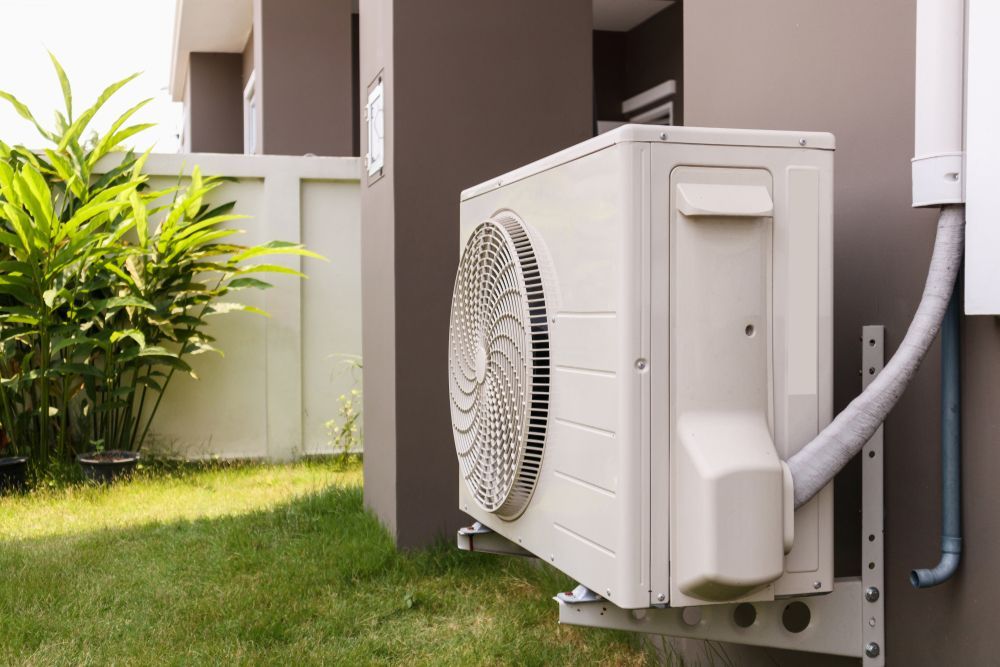
Every air conditioning system has specific installation requirements. Deviating from manufacturer instructions can affect performance.
This may include:
- Incorrect refrigerant line length
- Improper mounting height
- Inadequate clearance around outdoor units
Professional installers follow these guidelines to maintain system integrity.
Not Asking About Ongoing Support
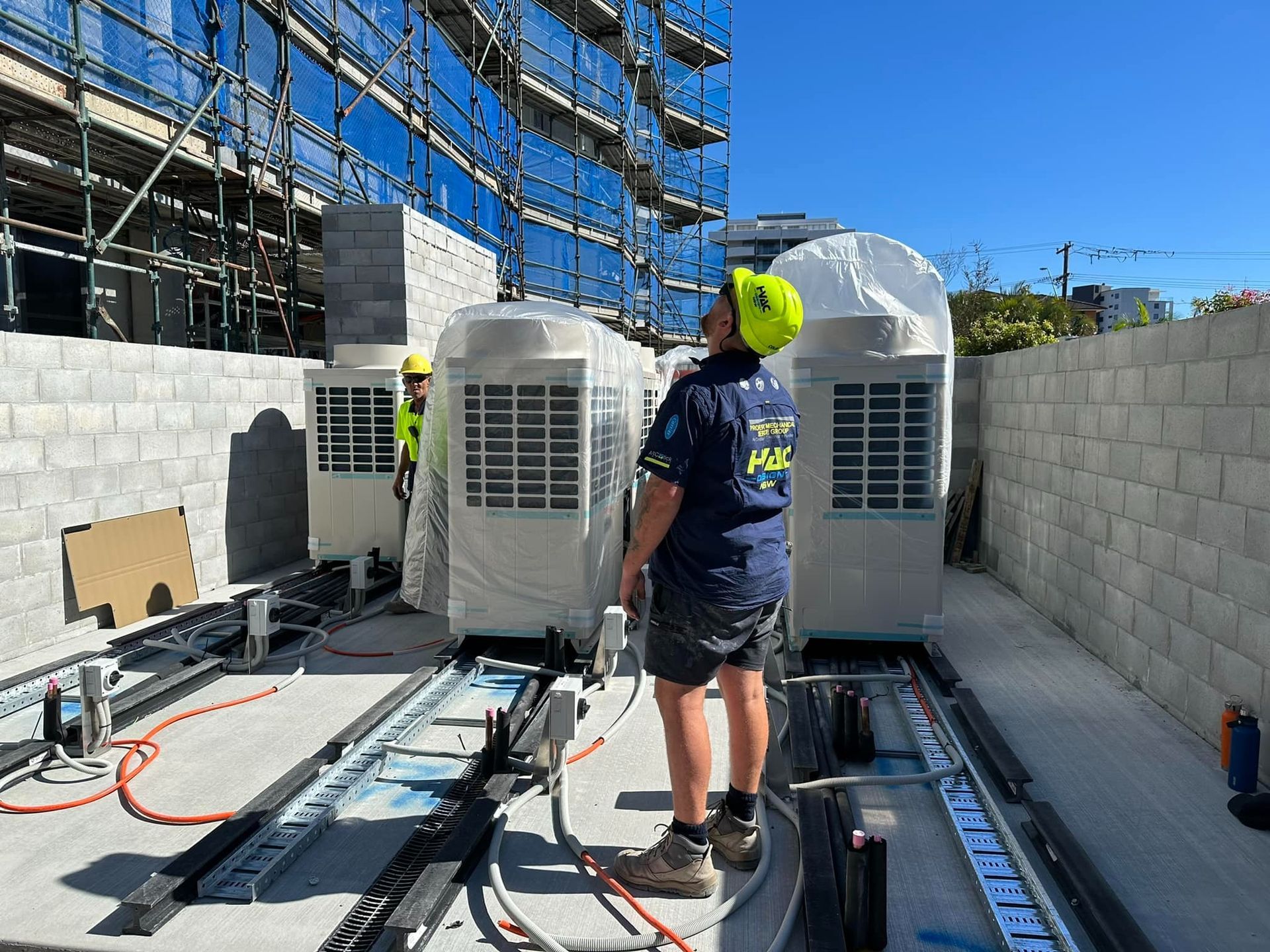
Installation is only the beginning. Understanding maintenance requirements helps extend system life.
Before installation, ask about:
- Recommended servicing intervals
- Filter cleaning schedules
- Warranty coverage
- Signs that indicate servicing is needed
Regular maintenance is particularly important for Forster air conditioning systems exposed to coastal air.
Practical Installation Checklist for Forster Homeowners
Before committing to installation, consider this quick checklist:
- Has the system been sized correctly?
- Is the outdoor unit protected from excessive salt exposure?
- Is there proper drainage for condensation?
- Are electrical requirements confirmed?
- Is insulation adequate?
- Will maintenance access be straightforward?
- Does the system address humidity as well as cooling?
Taking the time to review these points can reduce the likelihood of avoidable issues.
Air Conditioning in Forster – Getting It Right From the Start
Installing new systems in your home should improve comfort, not create ongoing headaches. By understanding common installation mistakes and considering Forster’s coastal climate, homeowners can make more informed decisions that support long-term performance.
At
Aircon Mid North Coast, we assist homeowners with air conditioning in Forster, offering guidance tailored to local conditions and property layouts. If you’re planning an installation or upgrade and
want advice suited to coastal homes, visit our
website to learn more.