


Insulation, Shading & Ventilation Tips To Reduce AC Load In Coastal Homes
On warm and humid days, it is easy to rely heavily on your air conditioning. Forster properties need to keep indoor spaces comfortable throughout the warmer months. In coastal homes, this dependence can increase quickly as strong sunlight, moisture in the air and building design can all influence how heat makes its way through a house. Over time, constant cooling can place extra strain on your air conditioning systems and can lead to higher energy costs.
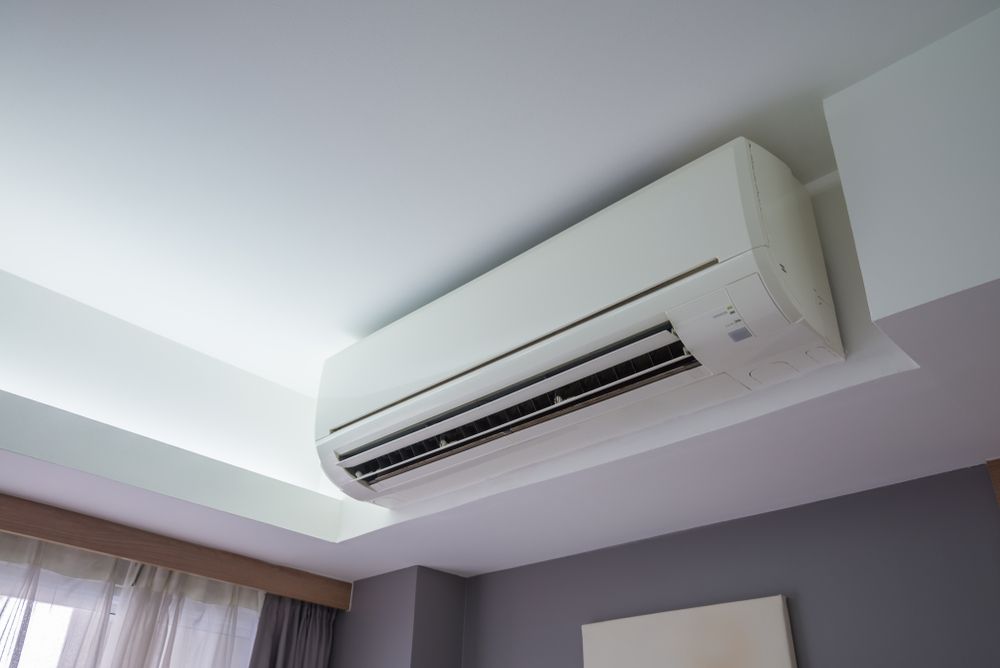
Reducing the load on an air conditioner does not always require major renovations. In fact, thoughtful insulation choices, effective shading and smarter ventilation can work together to improve comfort naturally. When these elements are considered alongside professional
air conditioning installation and maintenance, homeowners can achieve a more balanced and efficient cooling setup that suits coastal living.
Understanding Heat Movement in Coastal Homes
Before improving comfort, it helps to understand how heat enters and builds up inside a home. In coastal environments, heat gain often comes from a combination of direct sunlight, warm outdoor air and retained heat within building materials.
Some of the common contributors include:
- Roof spaces absorbing heat during the day and releasing it inside
- Unshaded windows allowing sunlight to warm internal rooms
- Limited airflow trapping warm and humid air indoors
Air conditioning technicians often assess these factors during system inspections or when they are recommending upgrades. Identifying where heat enters the home allows cooling solutions to be targeted rather than relying solely on
air conditioning in Forster.
Improving Roof and Ceiling Insulation
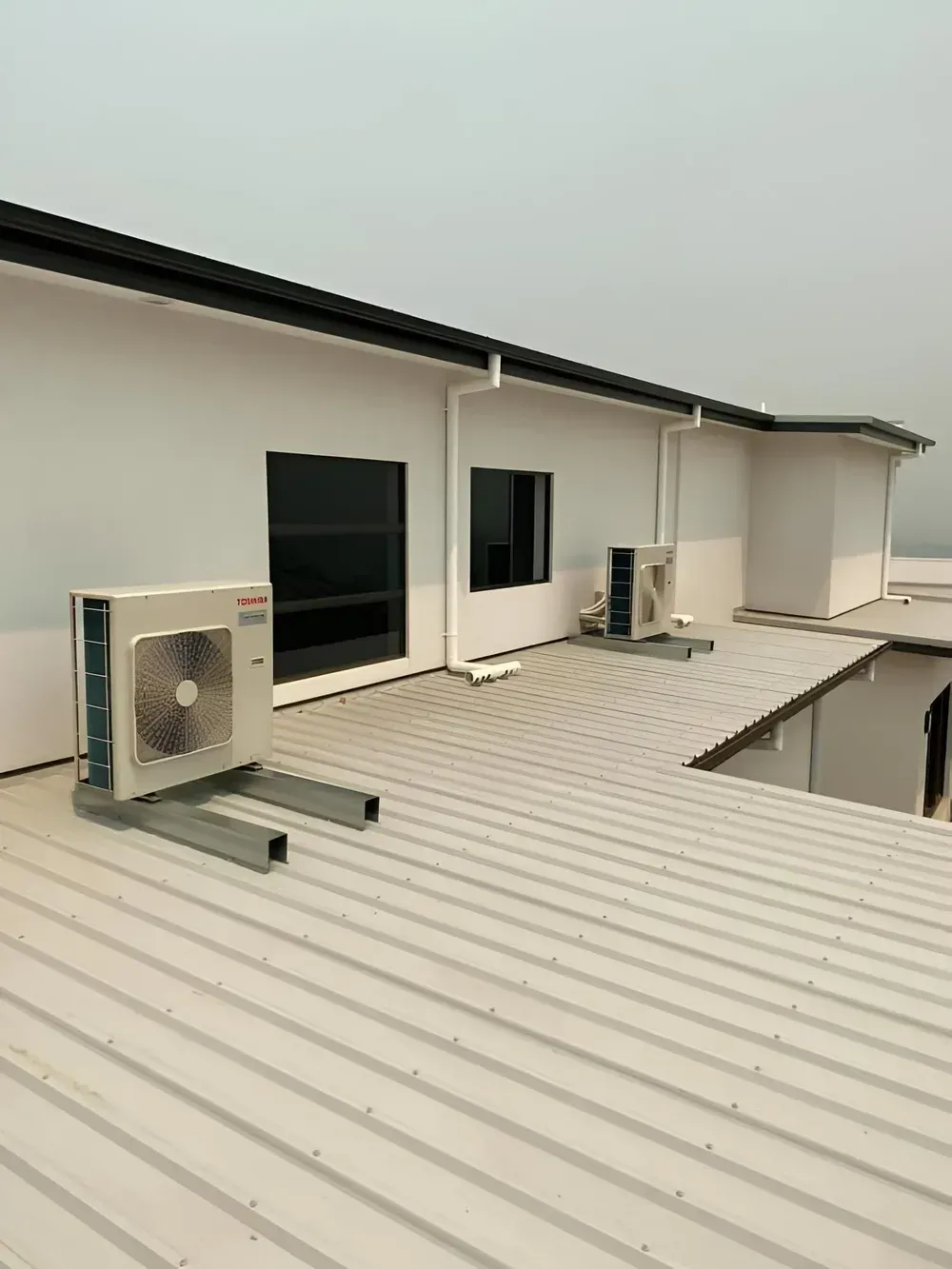
Roof and ceiling insulation play a significant role in reducing heat transfer inside your property. In many homes, heat enters primarily through the roof, especially during extended warm periods.
Effective insulation can help this by:
- Slowing the transfer of heat from roof spaces into living areas
- Maintaining more stable indoor temperatures throughout the day
- Reducing how often the air conditioner needs to cycle on
When installing or
servicing your air conditioning in Forster, technicians often evaluate insulation levels to ensure the system is appropriately sized. Adequate insulation can prevent you from purchasing oversized systems and improve overall performance, leading to more consistent cooling and reduced wear on equipment.
Wall Insulation and Its Impact on Cooling Efficiency
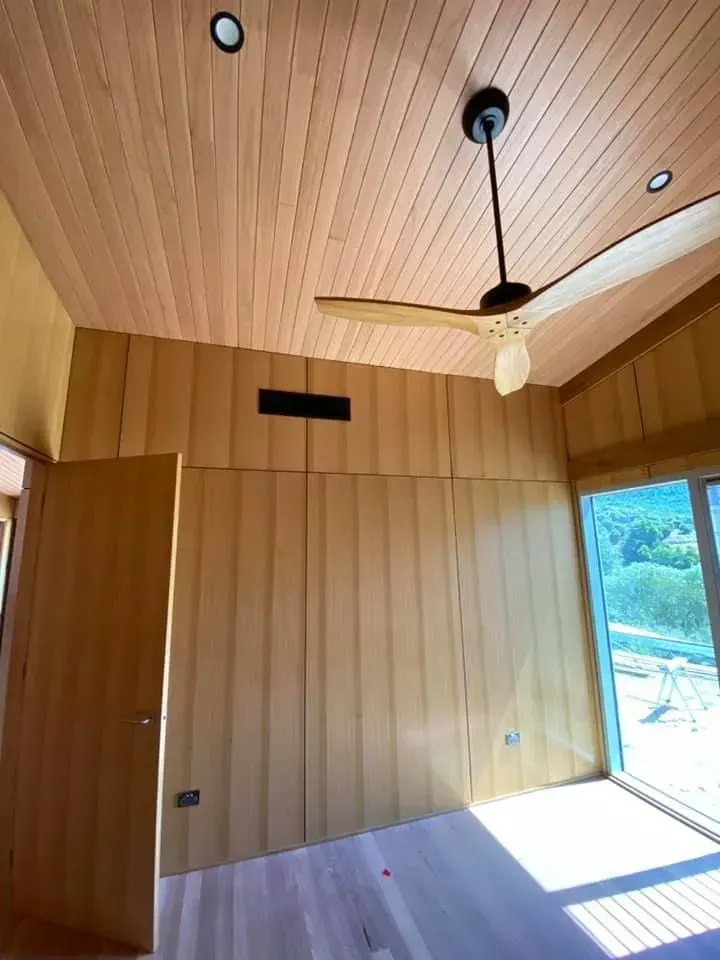
Walls are another pathway for heat gain, particularly in homes that are exposed to direct sun for much of the day. While wall insulation is often overlooked in existing properties, it can significantly influence indoor comfort.
The benefits of well-insulated walls can include:
- Reduced heat penetration during peak sunlight hours
- Improved thermal stability across multiple rooms
- Enhanced performance of both split and ducted air conditioning systems
For homeowners who are planning renovations or upgrades, discussing insulation improvements alongside air conditioning upgrades can lead to better long term outcomes. This coordinated approach ensures your air conditioning in Forster is working with the building and not against it.
External Shading to Limit Direct Sun Exposure
Shading is one of the most effective passive cooling strategies available. By blocking sunlight before it reaches windows or walls, shading reduces internal heat gain without affecting airflow in any way.
Some common shading approaches include:
- Awnings or overhangs positioned to shield windows
- External blinds that allow adjustable light control
- Vegetation used to provide seasonal shade
Expert technicians frequently observe that homes with effective shading place less demand on their air conditioning in Forster. This can improve system longevity and support more even temperature control, particularly during prolonged warm periods.
Window Treatments That Support Cooling

Windows are a major source of heat entry, but did you know that internal window treatments can also contribute to cooling efficiency? While they do not replace external shading, they help manage heat that is already reaching the glass.
Useful window treatment options include:
- Thermal curtains that reduce radiant heat transfer
- Reflective window films that limit solar gain
- Adjustable blinds that balance light and airflow
When combined with properly sized air conditioning in Forster, these measures help to maintain comfort without constant cooling. Technicians may recommend additions like these when homeowners experience uneven cooling or excessive heat buildup near windows.
Using Natural Ventilation to Reduce Indoor Heat

Natural ventilation allows warm air to escape and cooler air to enter, reducing the need for mechanical cooling during milder conditions. Coastal breezes can be particularly effective when homes are designed or adjusted to capture them.
Strategies to improve ventilation include:
- Opening windows on opposite sides of the home to create cross ventilation
- Using ceiling fans to support air movement
- Keeping internal doors open to allow airflow between rooms
Air conditioning in Forster works best when not required to overcome stagnant indoor air. Technicians often advise homeowners on how to balance ventilation and cooling, particularly when using systems with programmable settings or zoning options.
Managing Humidity to Improve Comfort
In coastal homes, humidity can significantly affect perceived temperature. Even moderate warmth can feel uncomfortable when moisture levels are high. Managing humidity reduces reliance on lower temperature air conditioning in Forster.
Effective humidity management may involve:
- Ensuring air conditioning systems are correctly sized and maintained
- Using systems with dehumidification functions
- Addressing ventilation issues in bathrooms and kitchens
Regular servicing helps ensure air conditioning units remove moisture efficiently. Technicians check airflow,
filters and drainage systems to support both cooling and humidity control, improving comfort without excessive energy use.
Aligning Home Improvements with AC System Performance
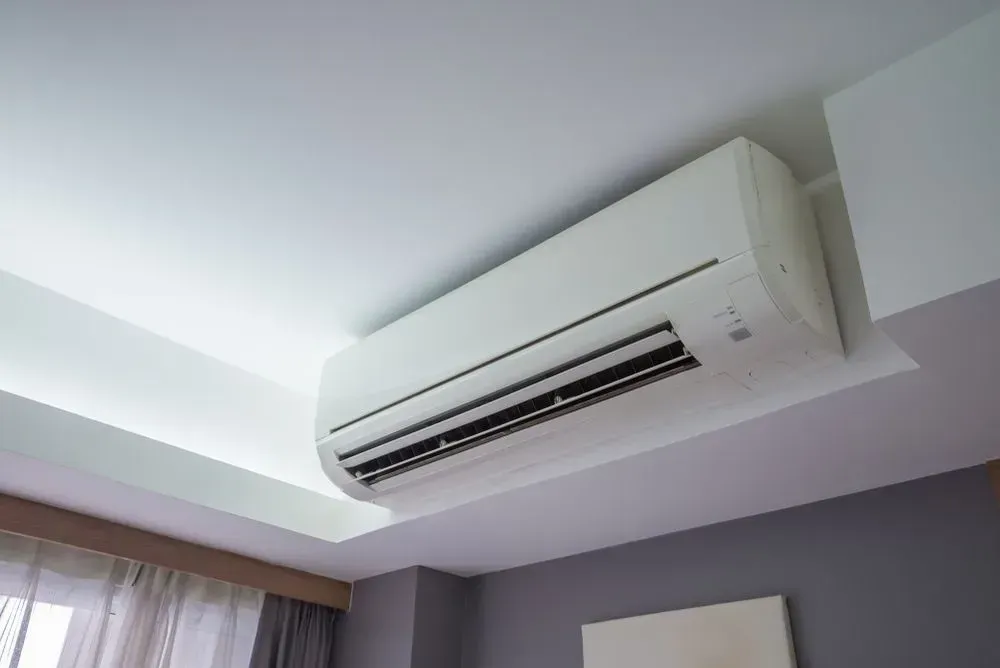
Insulation, shading and ventilation upgrades work best when aligned with the capabilities of your air conditioning in Forster. A well-designed home environment allows systems to operate within their optimal range.
Key considerations include:
- Reviewing system capacity after major insulation or shading upgrades
- Adjusting thermostat settings to reflect improved efficiency
- Scheduling maintenance to keep systems operating as intended
Air conditioning technicians often provide advice on system optimisation following home improvements. This ensures cooling solutions remain effective as the building’s thermal performance improves.
Get in Touch

At Aircon Mid North Coast, we work with homeowners across the region who face hot, humid conditions, strong sun exposure and the challenges of salty coastal air. These factors can place extra pressure on air conditioning in Forster if homes are not designed to manage heat effectively. By combining professional air conditioning installation, servicing and system advice with practical insulation, shading and ventilation strategies, we help households improve comfort while reducing unnecessary cooling load. To discuss your home or book a service, visit https://www.airconmidnorthcoast.com.au/ and get in touch with our team today.