


What Size Air Conditioner Do I Need? A Forster Sizing Guide
Choosing the right air conditioner size depends on more than room dimensions. For homeowners in Forster and Tuncurry, insulation, ceiling height, sun exposure and coastal humidity all influence the cooling capacity required. Whether you're considering a split system or ducted air conditioning, accurate sizing helps maintain comfort without unnecessary energy consumption.
What size air conditioner do I need?
The right air conditioner size depends on your property's heating and cooling requirements, not simply its floor area. Manufacturers measure air conditioning capacity in kilowatts (kW), but two rooms with identical dimensions can require different capacities depending on their construction, insulation and exposure to sunlight. An undersized system may struggle during hot weather, while an oversized unit can cycle frequently, reducing efficiency and potentially affecting humidity control. A professional assessment considers how heat enters the building, how effectively conditioned air circulates and how occupants use the space.
For homes across Forster, Tuncurry and the Great Lakes region,
Aircon Mid North Coast assesses these building characteristics before recommending suitable equipment.
What size air conditioner is right for a bedroom?
Bedroom air conditioning should maintain a comfortable sleeping temperature without excessive noise, draughts or frequent cycling. Although room dimensions provide a starting point, window orientation, insulation and ceiling height can significantly influence the capacity required.
Consider two similarly sized bedrooms in Forster. One sits within a well-insulated modern home, while the other occupies the upper floor of an older weatherboard property with west-facing windows. The second bedroom may experience considerably more afternoon heat gain, despite having the same floor area.
For individual bedrooms, a
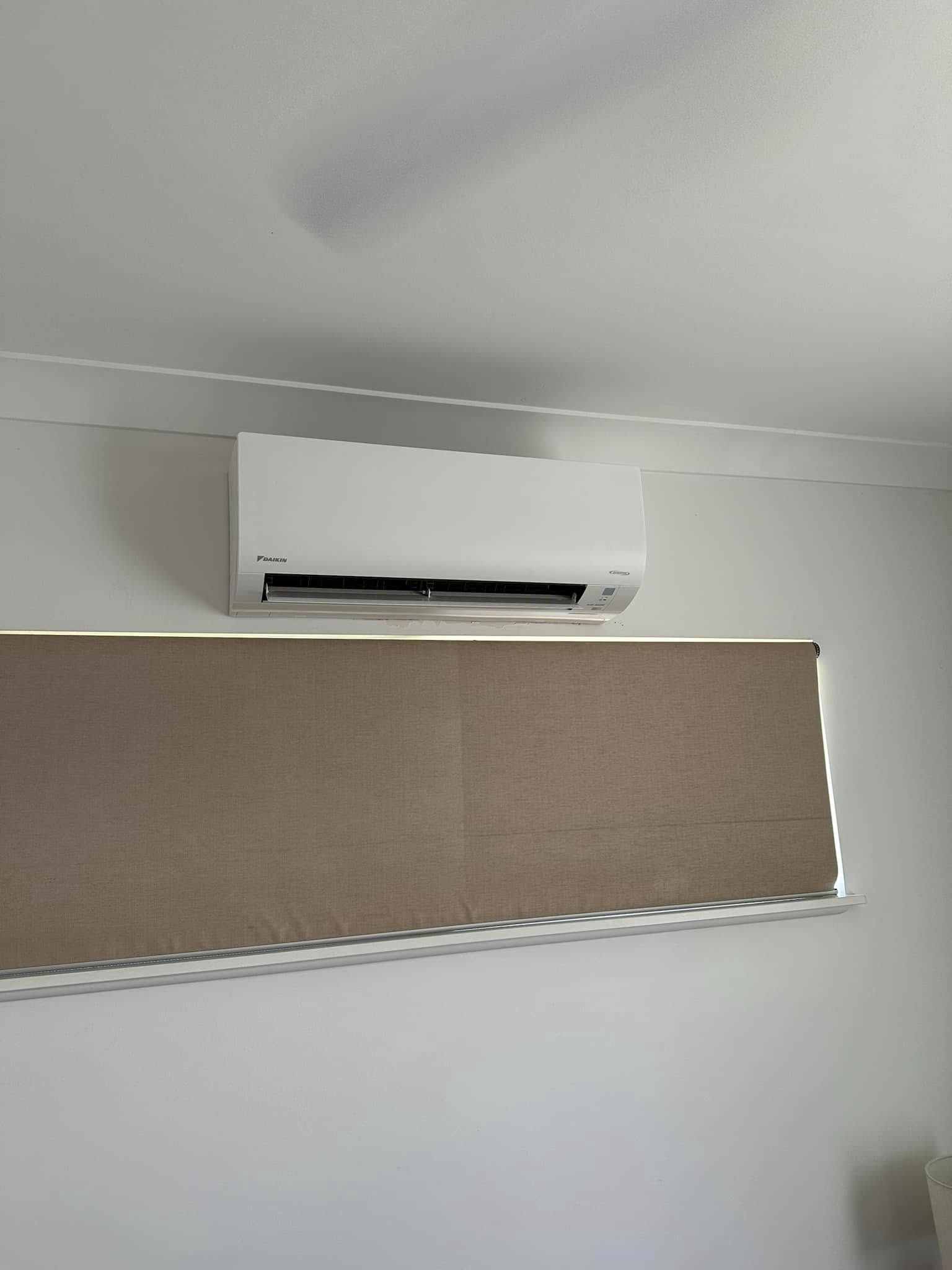
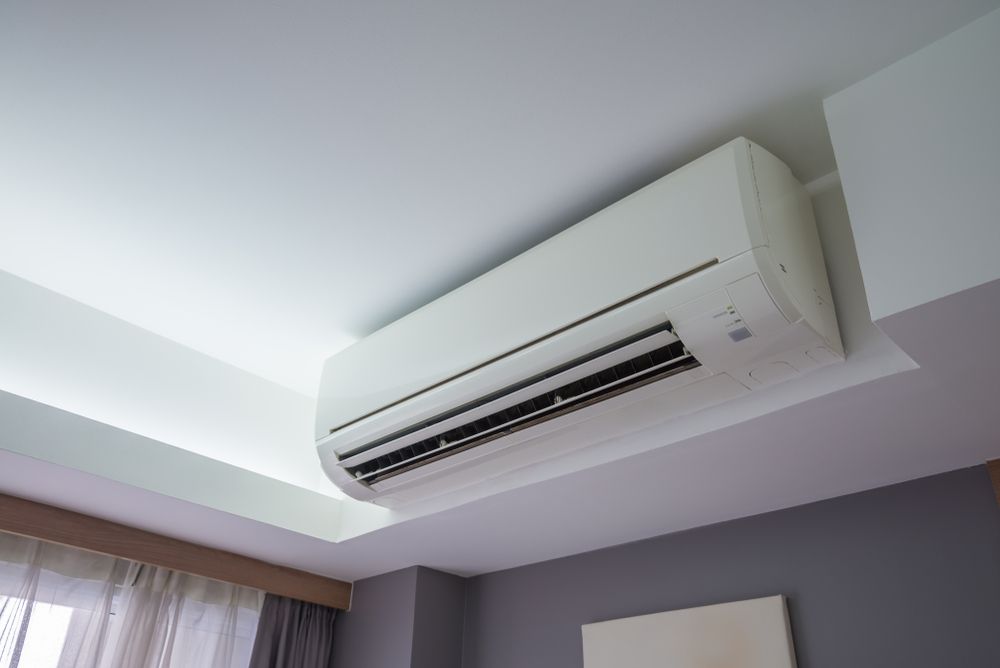
split-system air conditioner often provides practical temperature control without the installation requirements of a whole-home ducted system. Correct indoor unit placement also helps distribute conditioned air comfortably throughout the room.
Why does a room-size-to-kW rule of thumb under-cool some properties?
A room-size-to-kW calculation assumes buildings with similar floor areas have comparable cooling requirements. However, construction materials, insulation, air leakage and solar exposure can create substantial differences in how much heat enters a property. Aircon Mid North Coast regularly encounters this issue across the Great Lakes area, particularly in older weatherboard holiday homes with limited insulation. These buildings may absorb considerable heat through roofs, walls and windows, leaving an air conditioner selected using floor area alone struggling to maintain comfortable temperatures.
Coastal humidity introduces another challenge. Air conditioners must remove moisture alongside heat, and incorrect sizing can compromise comfort even when the system produces cool air.
Choosing a larger unit isn't automatically the solution. Excessive capacity can cause short cycling and reduce effective moisture removal. For reliable air conditioning Forster homeowners can depend on, system selection should reflect actual building conditions rather than a generic formula.
What factors change the capacity you need?
Several building characteristics and usage patterns influence air conditioner sizing. A professional assessment considers how these factors interact to determine the property's heating and cooling requirements.
- Room dimensions and ceiling height: Larger spaces and higher ceilings increase the volume of air requiring temperature control.
- Insulation quality: Poor roof, wall or ceiling insulation allows heat to enter more readily, increasing cooling demand.
- Window orientation: Large west-facing windows can introduce substantial afternoon heat, particularly without effective shading.
- Building materials: Older weatherboard homes may behave differently from modern properties with improved insulation.
- Coastal humidity: Humid conditions increase the importance of effective moisture removal alongside temperature control.
- Air leakage: Gaps around windows and doors allow warm, humid outdoor air to enter conditioned spaces.
- Occupancy and usage: People, appliances and regular activities contribute additional heat within a room.
- Floor plan and airflow: Open-plan areas, adjoining rooms and restricted airflow influence how effectively cooling reaches occupied spaces.
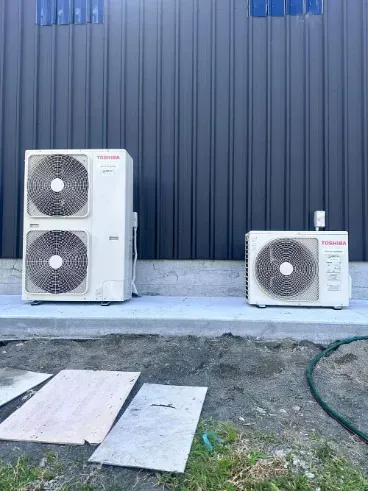
- Outdoor unit placement: Adequate ventilation and appropriate positioning support efficient system operation.
Coastal conditions also affect equipment longevity. Salt-laden air can contribute to corrosion, making suitable placement and maintenance important. Learn more about coastal salt exposure and your outdoor unit when planning an installation near the coast.
Can an air conditioner size calculator be trusted?
An air conditioner size calculator provides a useful preliminary estimate, but it shouldn't determine your final purchase. Most online calculators rely on floor area and basic building information, potentially overlooking characteristics that significantly affect cooling requirements.
For example, a calculator might recommend similar capacities for two living rooms with identical dimensions, despite one having extensive west-facing glazing and limited roof insulation. The actual cooling demands could differ considerably.
Calculators also cannot properly assess indoor unit positioning, airflow restrictions or the condition of an older building. These details matter when selecting equipment for properties throughout Forster and Tuncurry. Use an online estimate to understand your options before discussing them with an installer. A property-specific assessment can confirm whether the suggested capacity suits your building and intended usage.
When does a ducted system make more sense than a split system?
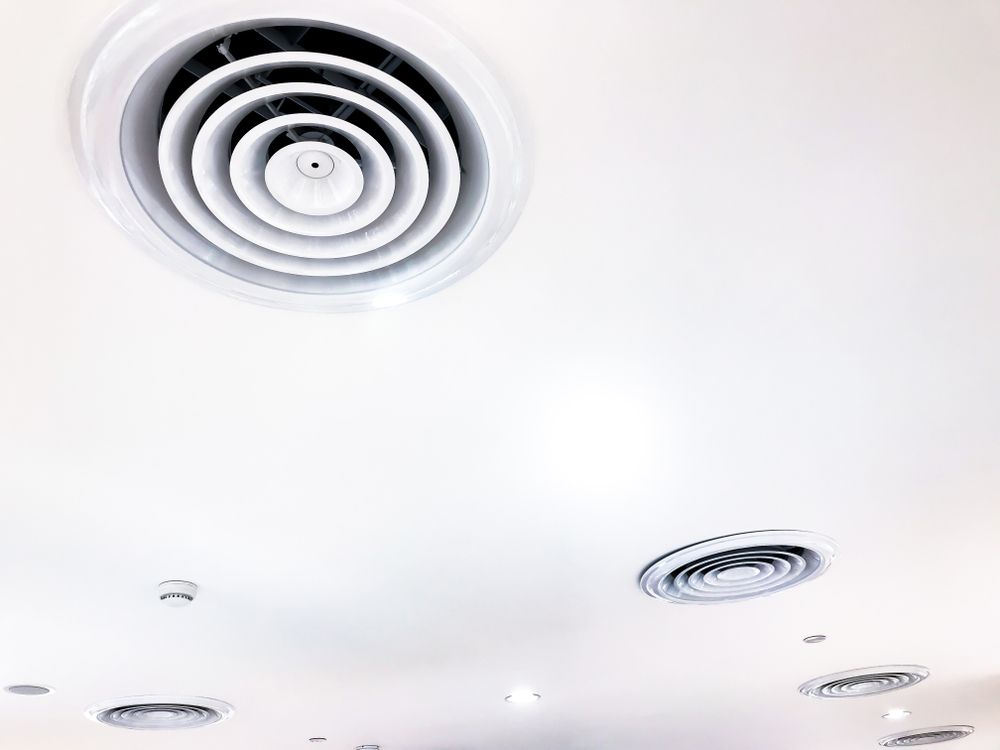
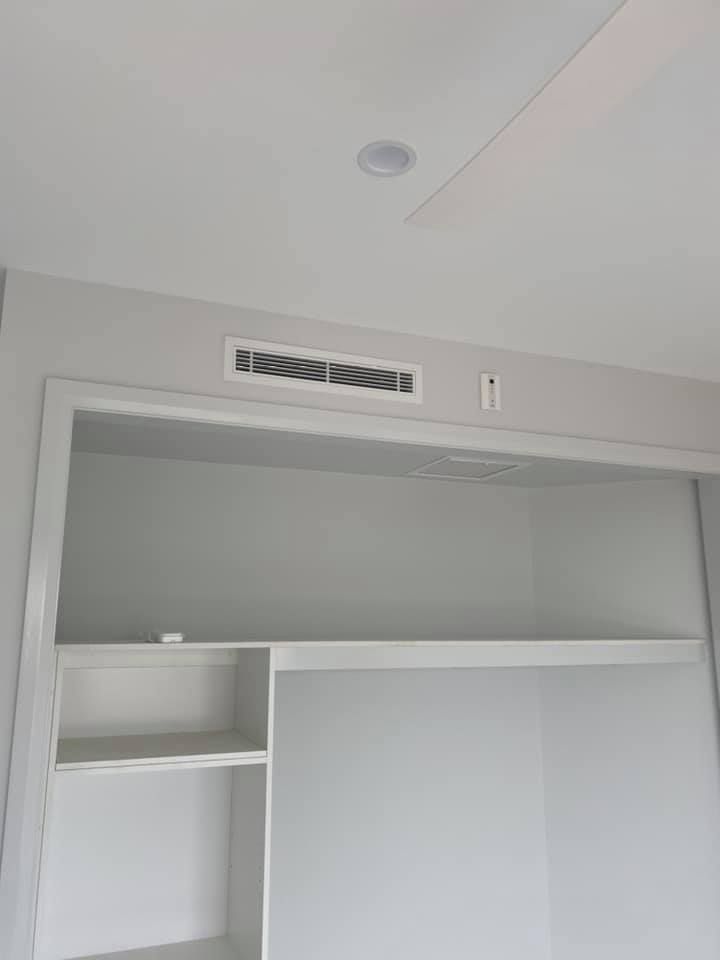
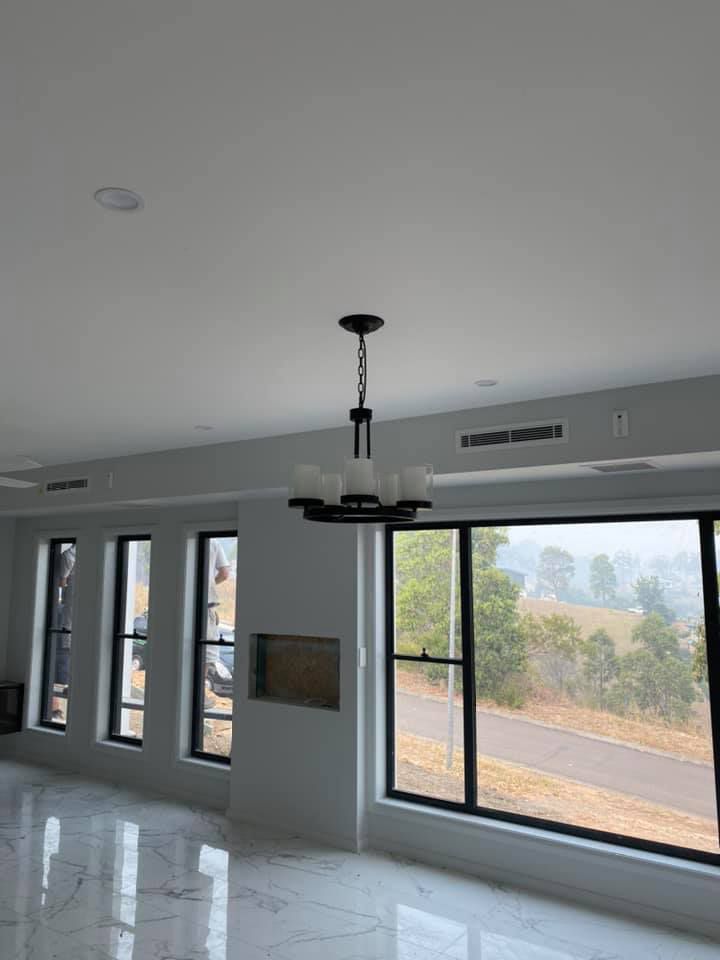
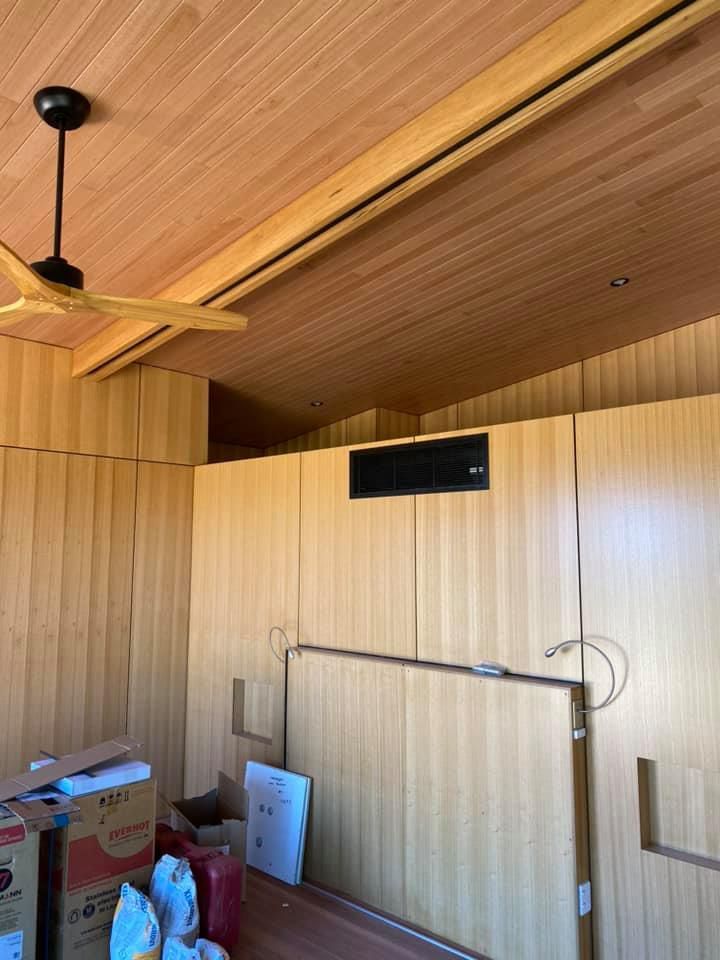
Ducted air conditioning generally suits properties requiring heating and cooling across multiple rooms, while split systems often provide a practical solution for individual bedrooms or living areas. For a smaller Forster home where the main priority is cooling an open-plan living space, a correctly sized split system may offer straightforward temperature control. Larger homes requiring consistent comfort across several bedrooms and shared areas may benefit from ducted air conditioning.
Ducted systems can incorporate zoning, allowing occupants to control different areas according to their needs. However, correct design must account for duct layout, airflow, return-air pathways and the zones operating simultaneously. The decision should reflect your property's layout, available installation space, comfort expectations and budget. Neither option automatically suits every home, making professional assessment valuable before selecting equipment.
How do you size for a holiday letting or accommodation property?
Holiday letting air conditioning requires additional consideration because guest numbers, room usage and comfort expectations can change between bookings. A property accommodating a couple during one stay might host a larger family during the next, increasing cooling demand across multiple rooms. Older holiday homes around Forster and Tuncurry may also have limited insulation, substantial window exposure or layouts that restrict airflow. These characteristics can make generic sizing estimates particularly unreliable.
For accommodation properties, consider whether individual split systems or centrally controlled ducted air conditioning will provide the most practical solution. Guest-friendly controls, suitable indoor unit placement and maintenance accessibility also influence system selection.
Aircon Mid North Coast provides accommodation air conditioning solutions that account for property layouts and practical guest requirements. Ultimately, correct sizing means matching equipment to realistic occupancy, building conditions and operating patterns. If you're planning an installation in Forster, Tuncurry or the Great Lakes area, contact Aircon Mid North Coast for professional guidance on selecting a suitable split-system or ducted solution for your property.
Frequently Asked Questions