


Air Conditioning Maintenance In Port Macquarie: Beating Coastal Salt Air
Living near the coast has plenty of upsides, but it comes with one downside that catches many homeowners off guard: salt air is genuinely tough on outdoor air conditioning units. What looks like a minor cosmetic issue on the compressor casing can, left unchecked, turn into a much bigger repair. Homeowners further inland often get years more life from a similar system simply because their units are not fighting the same daily exposure. Understanding why coastal conditions accelerate wear, and what a proper maintenance routine looks like, makes the difference between a system that lasts and one that fails early.
Why Coastal Port Macquarie Is Tough on Air Conditioners
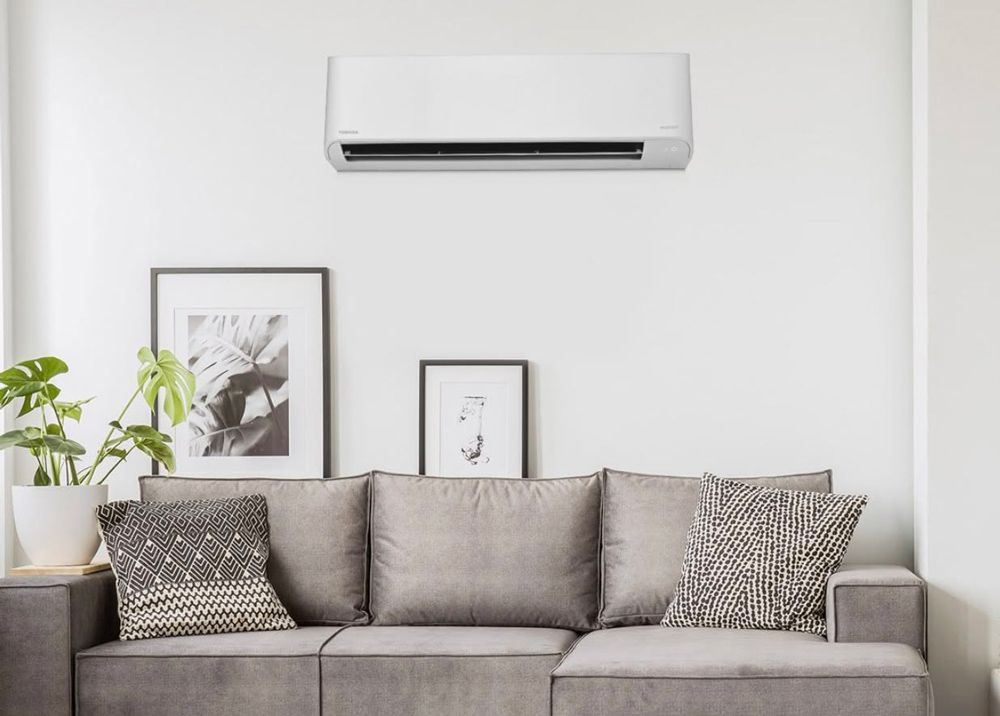
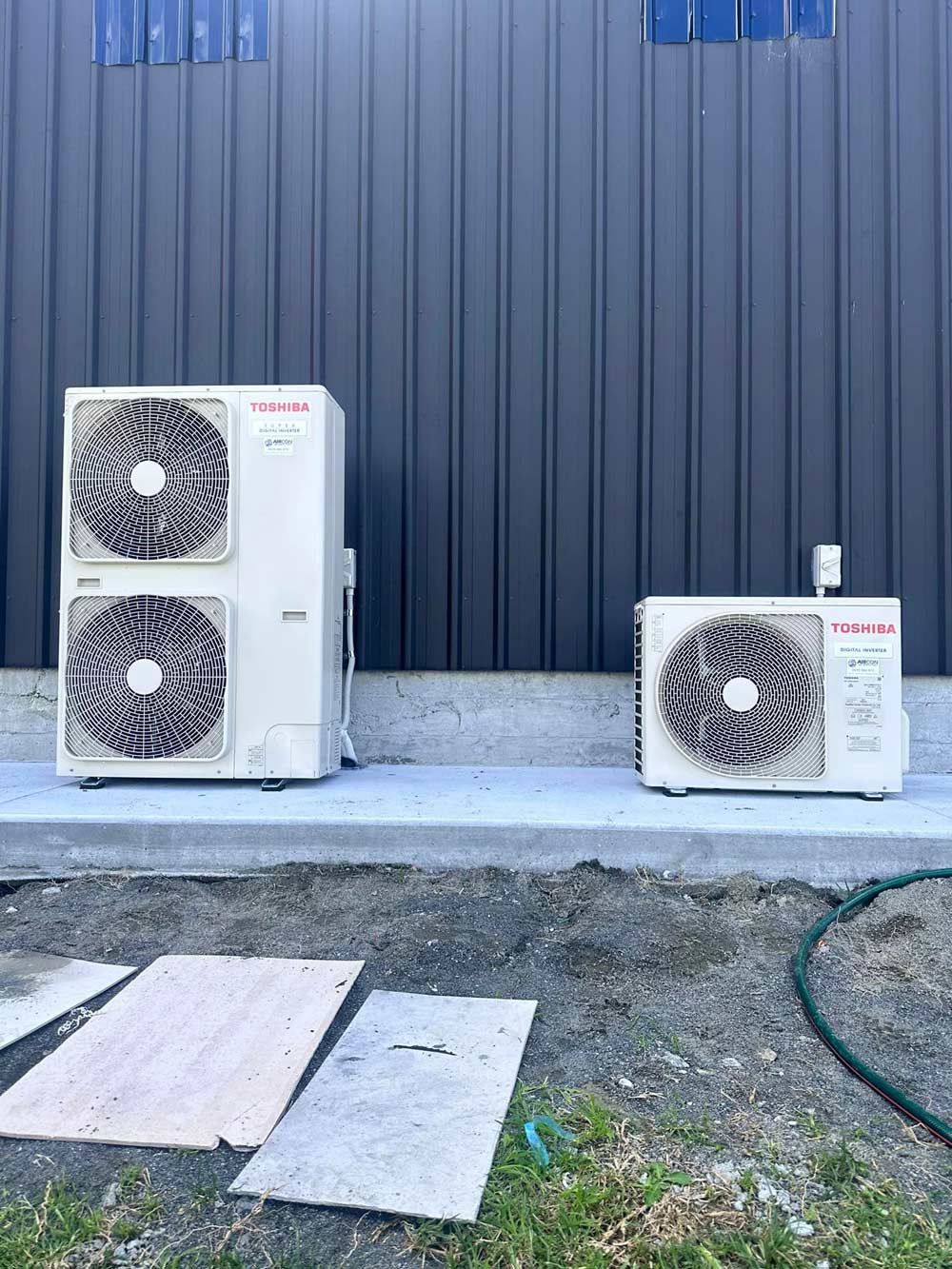
Outdoor units installed near the coast are exposed to airborne salt particles carried in on sea breezes, and this exposure is more constant than most homeowners realise. Units positioned further inland simply do not face the same conditions, which is part of why coastal maintenance schedules tend to look a little different.
- Salt-laden air settles on metal components even on units several streets back from the water
- Coastal humidity adds to the corrosive effect of salt deposits
- Units facing prevailing coastal winds tend to experience heavier exposure
- North or east-facing installations may receive more direct exposure depending on local wind patterns
Regular servicing is why air conditioning Port Macquarie owners get the full lifespan from their coastal units, rather than losing years to preventable corrosion.
How Salt Air Causes Corrosion in Outdoor Units
Salt particles settle on the fins, coils and casing of an outdoor unit, and once moisture is added, this creates the conditions for corrosion to take hold. Left untreated, corrosion can affect airflow, efficiency and eventually the structural components of the unit, sometimes shortening its working life considerably.
- Fine salt deposits build up gradually on external fins and coils
- Moisture from humidity or rain reacts with salt residue to accelerate corrosion
- Corroded fins reduce airflow, which forces the system to work harder
- Over time, this added strain can affect the compressor and other internal components
This gradual process is exactly why coastal units need a different maintenance approach to inland installations.
How Often Should You Service Your Air Conditioner?
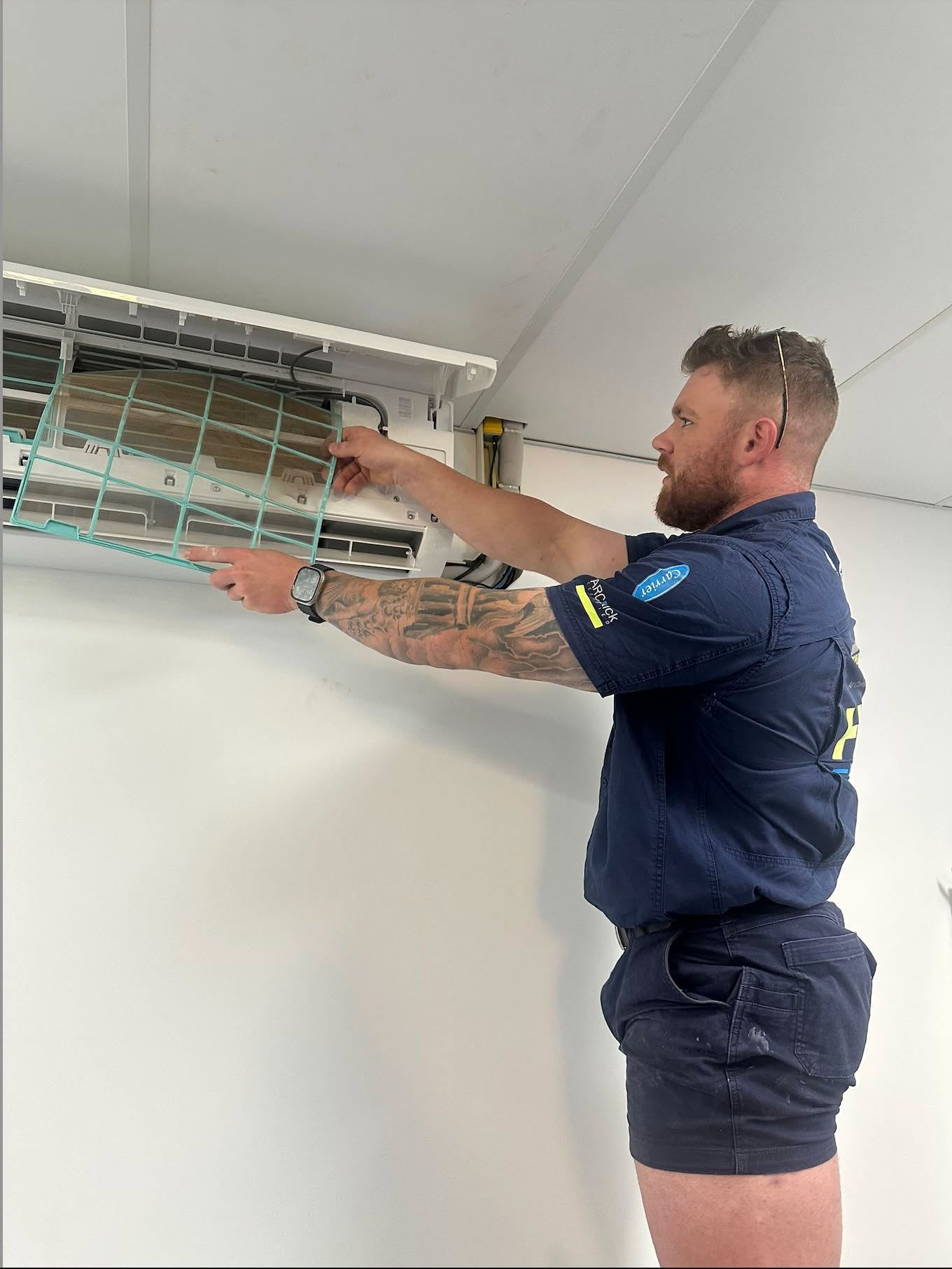
As a general recommendation, most coastal air conditioning systems benefit from a professional service around every 12 months, though heavier use or particularly exposed positions may warrant more frequent attention. This is a guideline rather than a fixed rule, since every property and system is different, and the right interval often becomes clearer after the first service or two.
- An annual service is a reasonable starting point for most coastal households
- Units in particularly exposed positions may benefit from six-monthly checks
- Manufacturer guidelines for your specific system should also be factored in
- Households running their system heavily over summer may want to service just before the season begins
Sticking to a consistent schedule is generally more effective than waiting until a problem becomes noticeable.
What a Professional Air Conditioning Service Includes
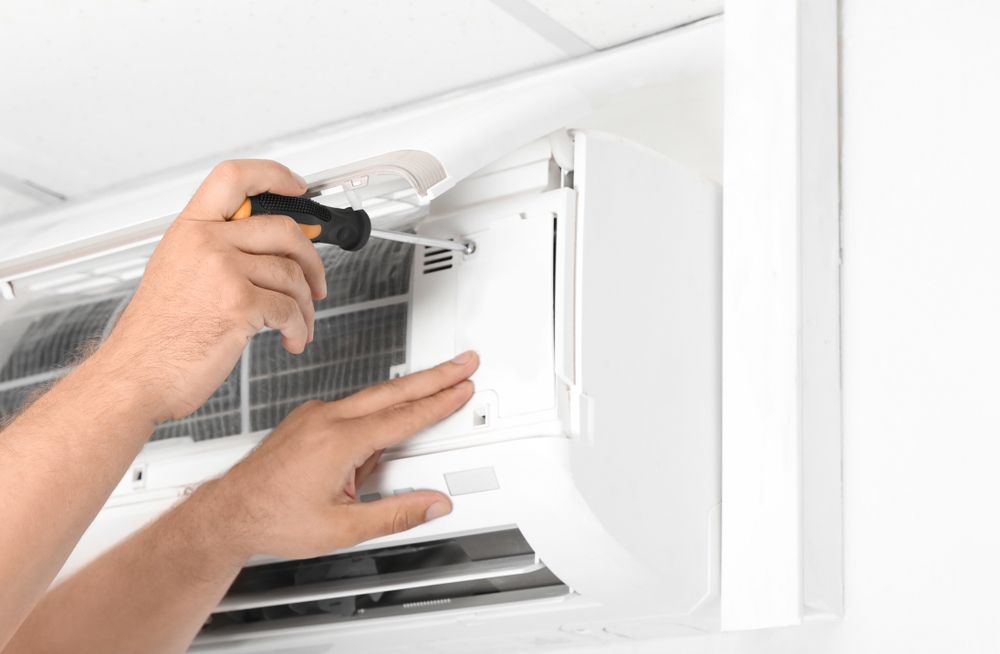
A proper service goes well beyond a quick visual check, particularly for coastal units that face additional wear. Technicians look specifically for signs of corrosion alongside the usual mechanical checks, which is often the part of a service that inland-only providers overlook.
- Inspection and cleaning of outdoor fins and coils
- Checking refrigerant levels and electrical connections
- Assessing the condition of protective coatings on exposed components
- Testing overall system performance against expected output
- Flagging any early corrosion for treatment before it spreads further
Our air conditioning servicing includes a full coastal-corrosion inspection, so issues specific to salt exposure are identified early rather than missed.
The Coastal Maintenance Checklist (fins, Coils, Protective Treatment)
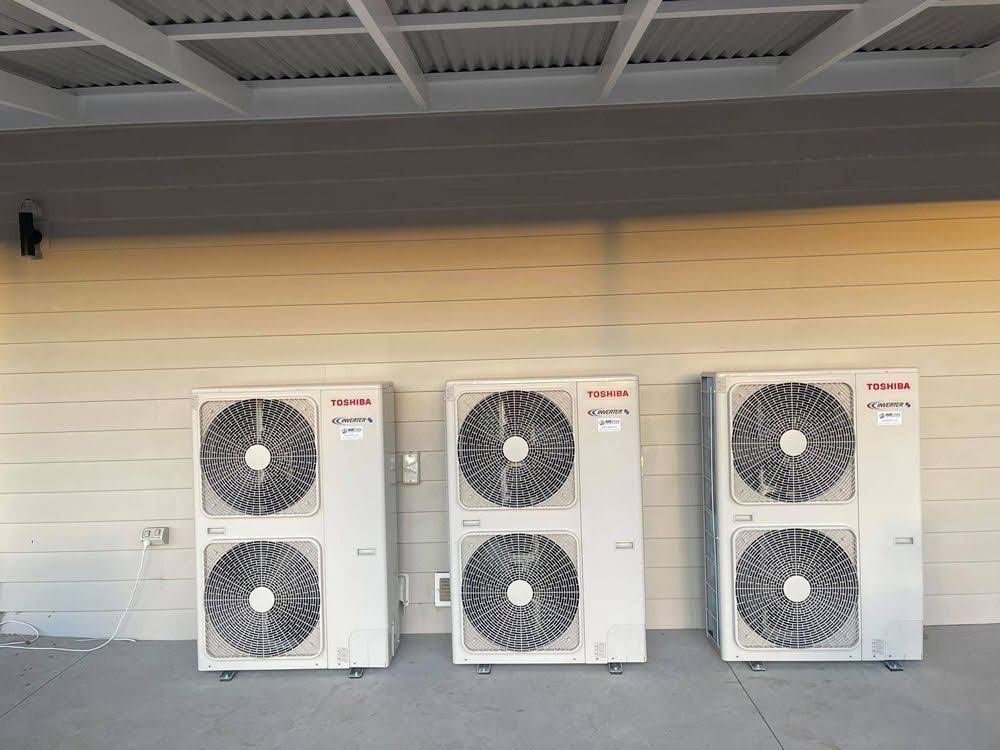
Coastal maintenance requires a slightly different checklist to a standard inland service, with particular attention paid to the components most exposed to salt air. Working through each of these systematically helps a technician spot early wear before it becomes a bigger issue.
- Fins checked and straightened where salt buildup has caused bending or blockage
- Coils cleaned to remove salt residue before it affects heat exchange
- Protective coatings inspected and reapplied where needed to slow future corrosion
- Fasteners and casing checked for early signs of rust
- Drainage points checked to ensure moisture is not pooling around the unit's base
Following this checklist consistently helps coastal units perform closer to their expected lifespan rather than falling short.
Warning Signs of Salt Corrosion to Watch For
Corrosion does not always announce itself immediately, but there are some noticeable signs worth watching for between scheduled services. Spotting any of these early is generally the difference between a straightforward repair and a full replacement.
- Visible rust or discolouration on the outdoor unit's casing or fins
- Reduced cooling performance compared with previous seasons
- Unusual noises coming from the outdoor unit during operation
- A noticeable increase in running costs without a change in usage
- Visible flaking or peeling of any protective coating on the unit
Catching these signs early gives a technician the chance to address the issue before it becomes a larger repair.
How Regular Servicing Protects Your Warranty
Warranty terms often depend on documented, regular servicing, which makes maintenance about more than just performance. Aircon Mid North Coast offers a 7-year Toshiba and Carrier warranty on eligible installations, and keeping up with servicing is part of what protects that cover throughout its full term.
- Manufacturer warranties typically require proof of regular servicing
- Skipping services can affect a claim if a fault later develops
- Keeping records of each service makes any future warranty claim more straightforward
- Servicing also helps identify minor issues before they develop into something a warranty may not fully cover
Staying on top of servicing protects both the system's performance and the value of the warranty behind it.
DIY Filter Care vs Professional Servicing

There is a place for homeowners to handle some basic upkeep themselves, though this should complement professional servicing rather than replace it entirely. Knowing where the line sits between the two helps avoid either neglecting the system or attempting work better left to a technician.
- Filters can be checked and cleaned by homeowners between professional services
- Clearing debris from around the outdoor unit is a simple task most people can manage
- Refrigerant checks, electrical work and corrosion treatment should be left to a qualified technician
- Attempting to treat corrosion without the right products can sometimes make the problem worse
Between professional services, cleaning your filters, as we explain in how often you should clean your AC filters, keeps airflow strong and takes some pressure off the system.
Book an Air Conditioning Service in Port Macquarie
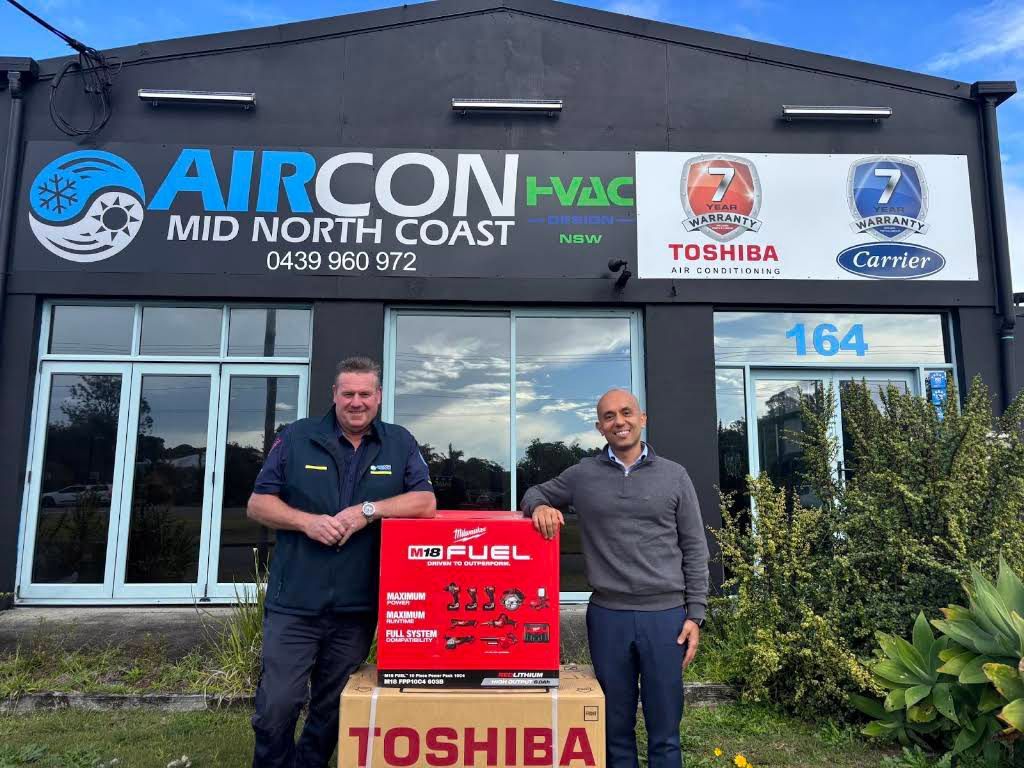
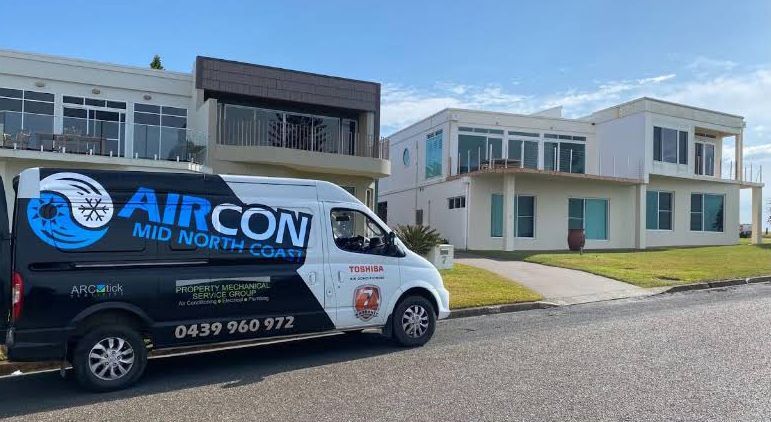
We at Aircon Mid North Coast see the effects of coastal salt exposure regularly across Port Macquarie properties, from older units nearing the end of a warranty period to newer systems that have not yet had their first professional check. Don't wait for a breakdown in the heat, book a service before summer to keep your system running well and your warranty intact.
Frequently Asked Questions