


What Size Air Conditioner Do I Need? A Taree Homeowner’s Sizing Guide
Choosing the wrong size air conditioner is one of the most common and costly mistakes homeowners make. Too small, and the unit runs constantly without reaching the target temperature. Too large, and it cools the room so quickly it shuts off before it can properly dehumidify — leaving you cold and clammy rather than comfortable. Both situations drive up your electricity bill and shorten the life of the unit.
Getting the sizing right is the single biggest factor in how happy air conditioning Taree homeowners are with their system long-term. This guide walks through how sizing works, the room-by-room rules of thumb, and the local Taree factors that change the calculation.
Why Getting the Right Air Conditioner Size Matters in Taree
In a climate like Taree’s — warm, humid summers with high overnight temperatures that don’t drop as far as in drier inland regions — an undersized air conditioner is a particularly frustrating experience. The unit works flat out, the room stays uncomfortably warm, the compressor runs hot and the electricity bill is high. It’s the worst of all outcomes.
An oversized unit has a different problem. It reaches the thermostat setting quickly and cycles off, often before adequate dehumidification has occurred. In Taree’s humid summer months, humidity removal is as important as temperature reduction. A unit that cycles on and off rapidly is failing to manage moisture effectively, which is why a correctly sized system feels more comfortable even if the temperature reading is similar.
How Air Conditioner Sizing Is Measured
Air conditioning capacity is measured in kilowatts (kW). The kW rating reflects the unit’s cooling (and heating) output — not its electricity consumption. A 3.5kW split system produces 3.5kW of cooling output, which typically suits a small to medium bedroom. A 7kW unit suits a larger open-plan living area.
The starting point for sizing is floor area. As a general rule of thumb used across the industry, residential spaces typically require somewhere in the range of 80 to 160 watts of cooling capacity per square metre, depending on conditions. The lower end of this range applies to well-insulated, shaded rooms with moderate heat loads. The upper end applies to poorly insulated rooms with significant sun exposure and high internal heat gain. In Taree, most rooms sit toward the upper end of that range for the reasons covered below.
Room-by-Room Sizing Guide for Taree Homes
The following are general starting points for common room types. These are indicative figures only — a professional assessment accounts for your specific room, construction and orientation:
• Small bedroom (up to 15m²): 2.0 to 2.5kW
• Standard bedroom (15 to 20m²): 2.5 to 3.5kW
• Large bedroom or study (20 to 30m²): 3.5 to 5.0kW
• Small open-plan living area (25 to 35m²): 5.0 to 6.0kW
• Medium open-plan living and dining (35 to 50m²): 6.0 to 8.0kW
• Large open-plan space (50 to 70m²): 8.0 to 10.0kW or more
These figures give you a useful starting point, but Taree’s climate and the specific characteristics of older Manning Valley homes mean the actual requirement is often a bracket higher than the raw floor area suggests. Reducing your cooling load first, as we cover in our insulation, shading and ventilation tips, can sometimes drop you a whole size bracket and reduce both the cost of the unit and your ongoing running costs.
Factors That Change the Size You Need
Floor area alone doesn’t determine the right kW. A number of factors either increase or decrease the effective heat load in a room:
• Ceiling height: standard sizing guides assume roughly 2.4m ceilings. Higher ceilings — common in older Taree homes and Queenslander-style properties in the Manning Valley — mean more air volume to condition and push the requirement up
• Western and northern sun exposure: rooms facing west or north receive the highest afternoon sun load. A west-facing living room with large windows is a meaningfully different cooling challenge to the same room facing south
• Insulation quality: a well-insulated roof and walls significantly reduce heat transfer from outside. An uninsulated older home in the Taree area can require 30 to 50 per cent more capacity for the same floor area compared to a well-insulated new build
• Open plan vs enclosed: open-plan spaces that connect to a kitchen or flow into an adjoining area are effectively larger than their measured floor space suggests. The cooking heat from a kitchen adds significantly to the load
• Number of occupants: body heat is a real contributor to room temperature. A bedroom for two people has a higher heat load than a single-occupancy room of the same size
Why Taree’s Manning Valley Heat Pushes You Up a Bracket
Taree sits inland from the Mid North Coast, sheltered from the moderating influence of the ocean breeze that coastal towns like Forster and Harrington benefit from in summer. The Manning Valley’s geography means summer temperatures regularly exceed 35 degrees, and the humidity from proximity to the Manning River and surrounding farmland creates a damp heat that lingers into the evening.
This matters for sizing because most standard air conditioner sizing guides are calibrated for temperate or average Australian conditions — not Taree’s specific summer profile. What this means in practice is that a room which might be adequately cooled by a 3.5kW unit in Sydney or a cooler coastal town may need a 5.0kW or 6.0kW unit in Taree to maintain comfort through a 37-degree afternoon with high humidity. Undersizing for the local climate is the most common mistake in this region.
Split System vs Ducted: How Sizing Differs
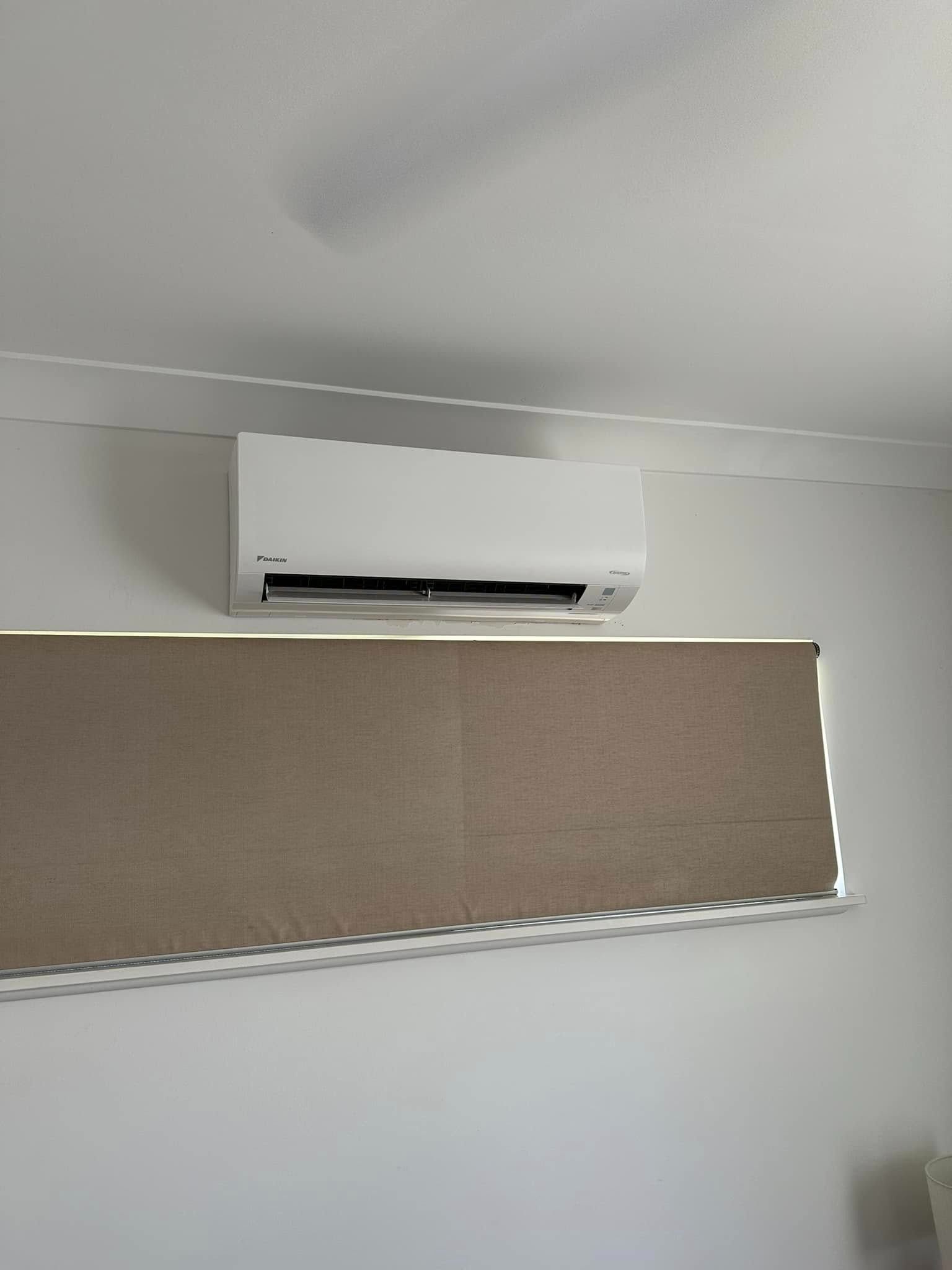
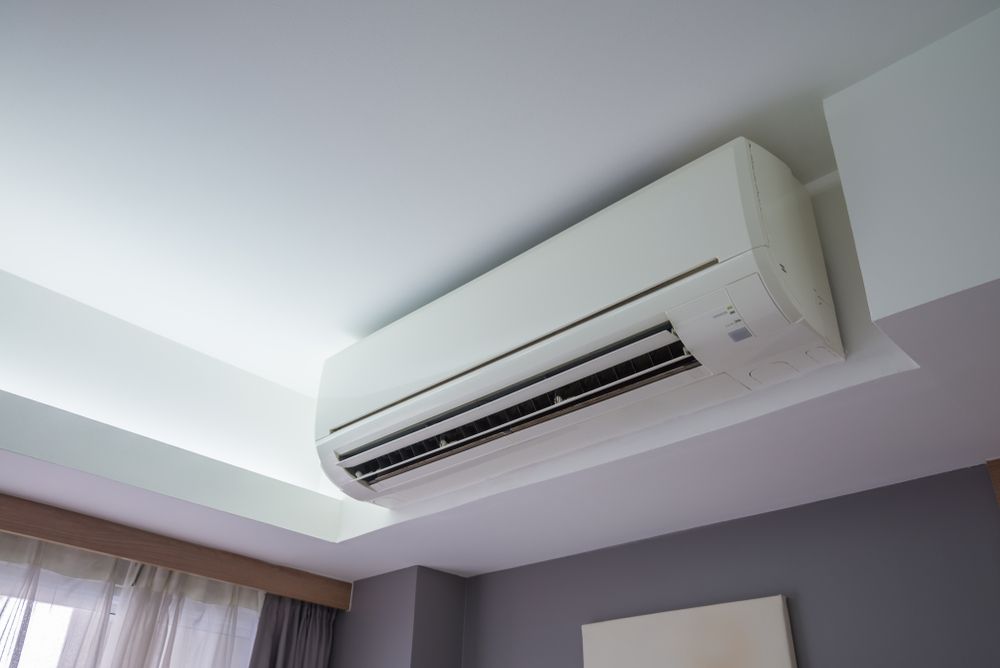
The sizing principles above apply primarily to split systems, which condition a single room or zone. A split system is sized to the space it serves directly.
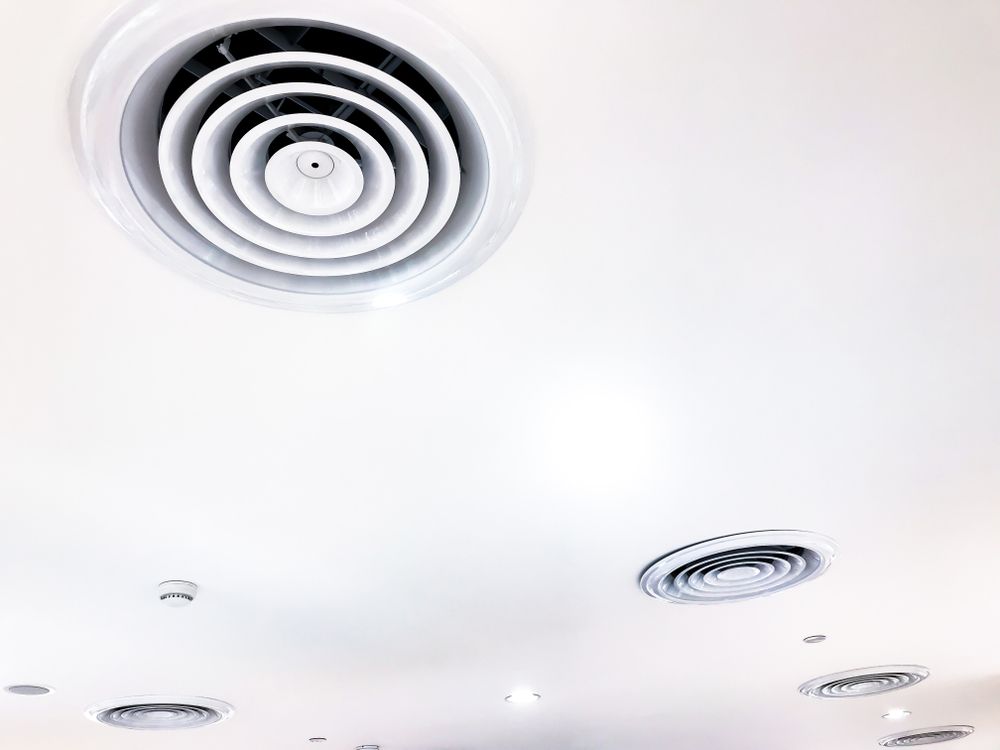
For whole-home coverage, ducted air conditioning Taree installs are sized across the total floor area of the home rather than one room at a time. The calculation is more complex because it accounts for the layout of the duct network, the size and positioning of supply and return air grilles, the home’s orientation and the insulation across the entire ceiling space.
Ducted systems also require the capacity to be distributed appropriately across zones, so that larger or more heat-loaded rooms receive more airflow than smaller, well-shaded rooms. This is where professional design makes the biggest difference — a ducted system sized to the right total kW but poorly designed in its duct layout will underperform in the rooms that need it most.
Signs Your Current Air Conditioner Is the Wrong Size
If you’re replacing an existing unit, these signs indicate the current one may be incorrectly sized rather than simply ageing:
• The unit runs continuously during hot days without reaching the thermostat setting — a classic sign of insufficient capacity
• The room feels cool but clammy and uncomfortable even when the temperature is at the set point — often a sign the unit is too large and not running long enough to dehumidify
• Electricity bills are disproportionately high compared to similar homes in the area
• The unit frequently short-cycles — turning on and off in quick succession rather than running in sustained cooling periods
• Certain parts of the room are significantly warmer or cooler than others, suggesting the unit cannot distribute conditioned air effectively across the space
Get a Professional Sizing Assessment in Taree
Online sizing calculators are a useful starting point, but they can’t account for the specific combination of factors that affect your home: the construction materials of your walls and roof, the orientation of each room, the quality of your insulation, your window sizes and shading situation, and the local climate that makes Taree meaningfully hotter than a standard guide assumes.
The safest way to get it right is to book a free sizing assessment with our team. We assess each room individually, factor in the Taree climate and your home’s specific characteristics, and recommend the right capacity for each unit — so you don’t end up paying to run an undersized system for the next decade.
Aircon Mid North Coast: Air Conditioning Taree
Aircon Mid North Coast installs split system and ducted air conditioning across Taree, Wingham, Gloucester and the wider Manning Valley. Our team provides a free in-home sizing consultation before any installation is booked, so you know the right unit is going in before we start.
Call us or use the online form to get in touch and arrange a free assessment.