


Split System Vs Ducted: Which Air Conditioning Suits Your Taree Home?
Summer in the Manning Valley has a way of turning a simple choice, split system or ducted, into a genuinely important decision. Both systems cool a home effectively, but the right one depends on your floor plan, your roof space and how you actually use each room. Some households need one room cooled well, others want every bedroom and living area at a consistent temperature no matter the season. Before comparing upfront cost against long-term running cost, it helps to understand what each system does well and where its limitations sit.
Split System vs Ducted Air Conditioning: The Quick Answer

For a single living area or a smaller home, a split system is usually the simpler and more affordable path. For a home where every room needs consistent cooling, ducted air conditioning tends to be the better long-term fit, provided the roof space allows for it. Neither system is universally better, since the right answer really comes down to how many rooms you want cooled and how your home is built.
- Split systems suit targeted cooling in one or two rooms
- Ducted systems suit whole-home cooling across multiple rooms
- Roof cavity space and ceiling height often decide which option is even possible
The right choice depends on your home's layout, which is why air conditioning Taree quotes always start with a site inspection.
How a Split System Works (and when It's the Right Choice)
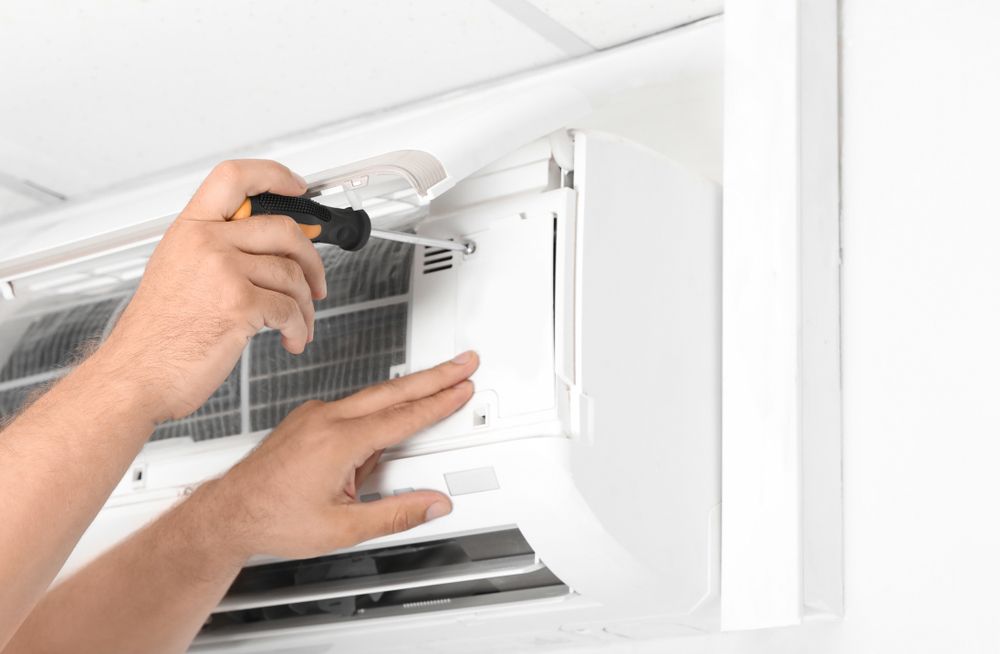
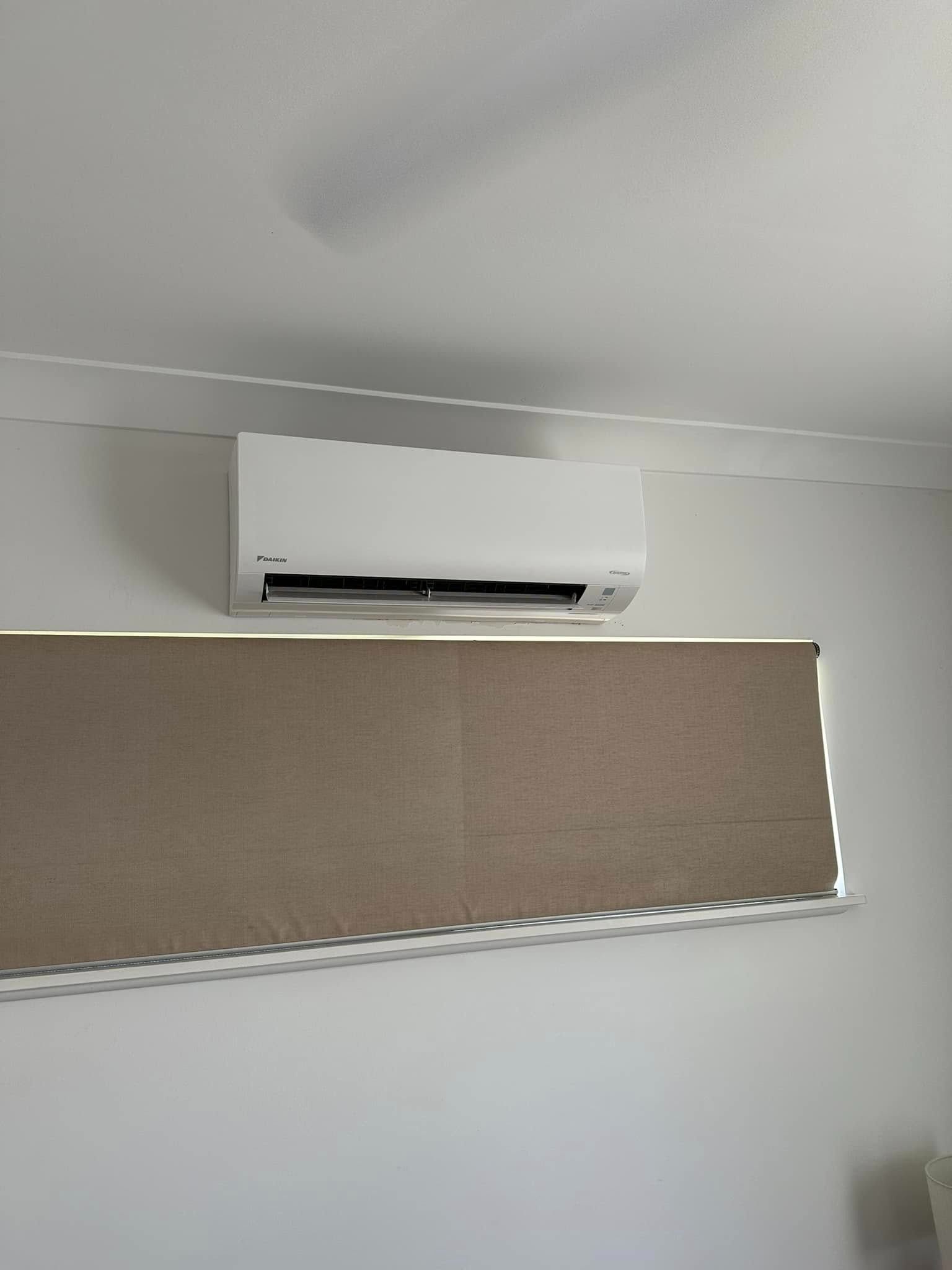
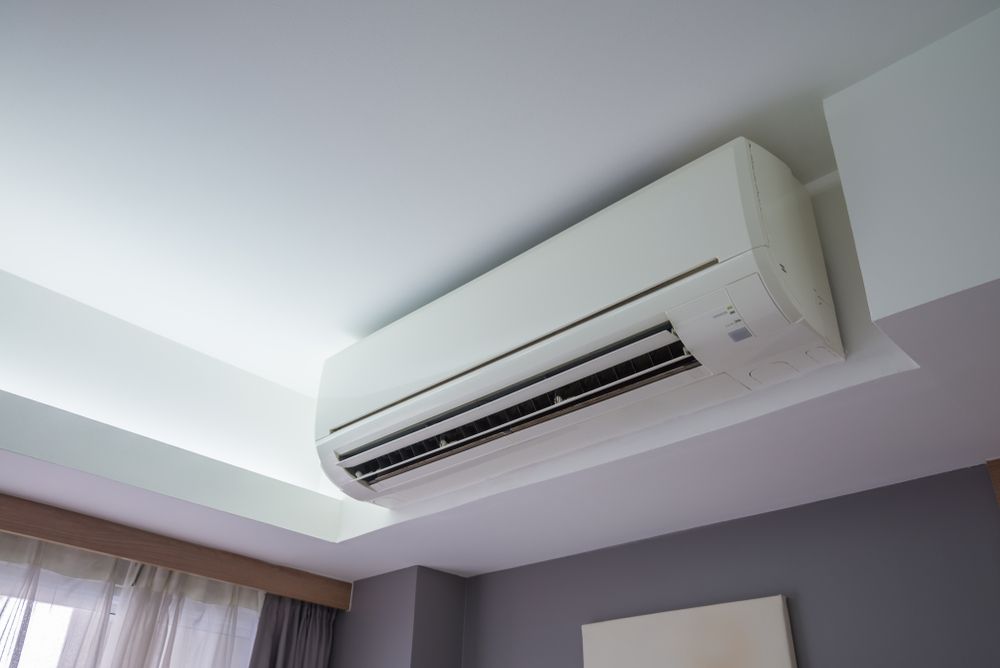
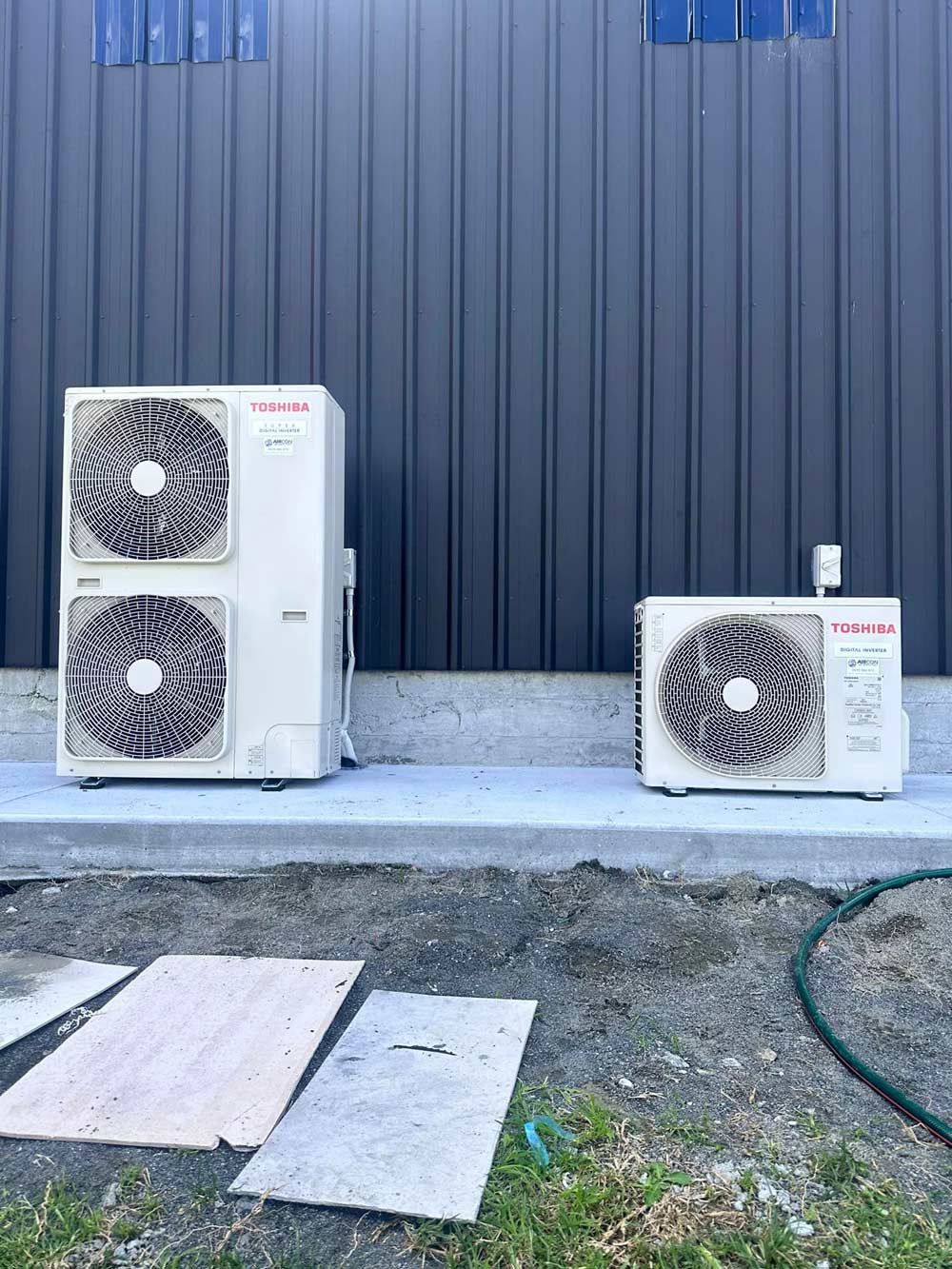
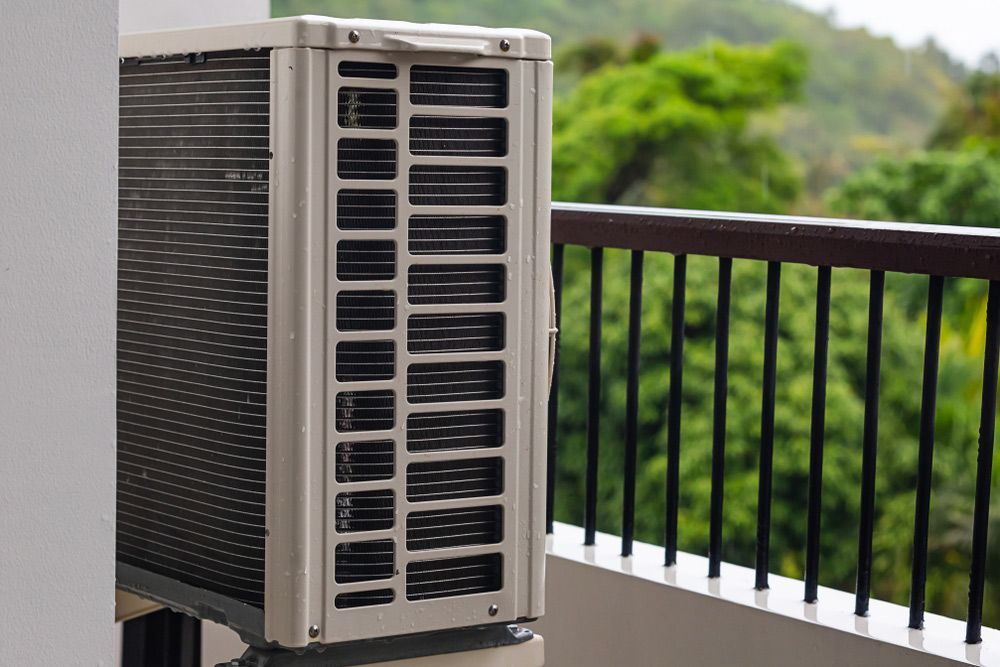
A split system consists of an indoor unit mounted on a wall and an outdoor compressor connected by a small pipe. It is designed to cool the specific room it sits in, rather than the whole house at once. This makes it a practical option for households that mainly use one or two living areas day to day.
- Installation is generally quicker with less disruption to the home
- Each unit can be run independently, which suits households with different comfort preferences
- Additional units can be added to other rooms over time if needed
Split system air conditioning Taree homeowners often start with is a lounge room or main bedroom, expanding later if the household's needs change.
How Ducted Air Conditioning Works (and when It's Worth It)
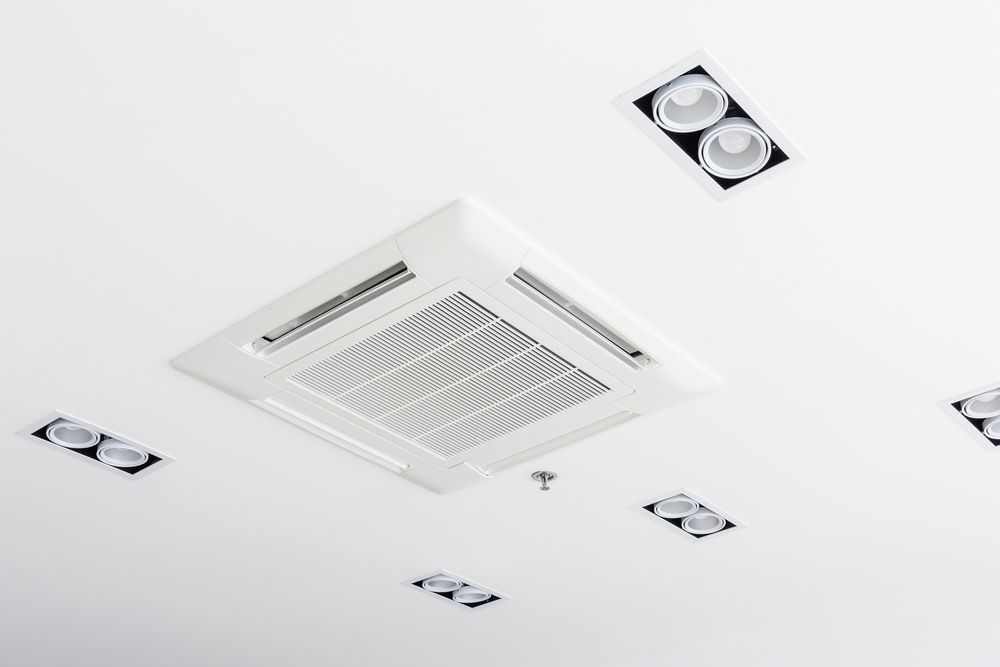
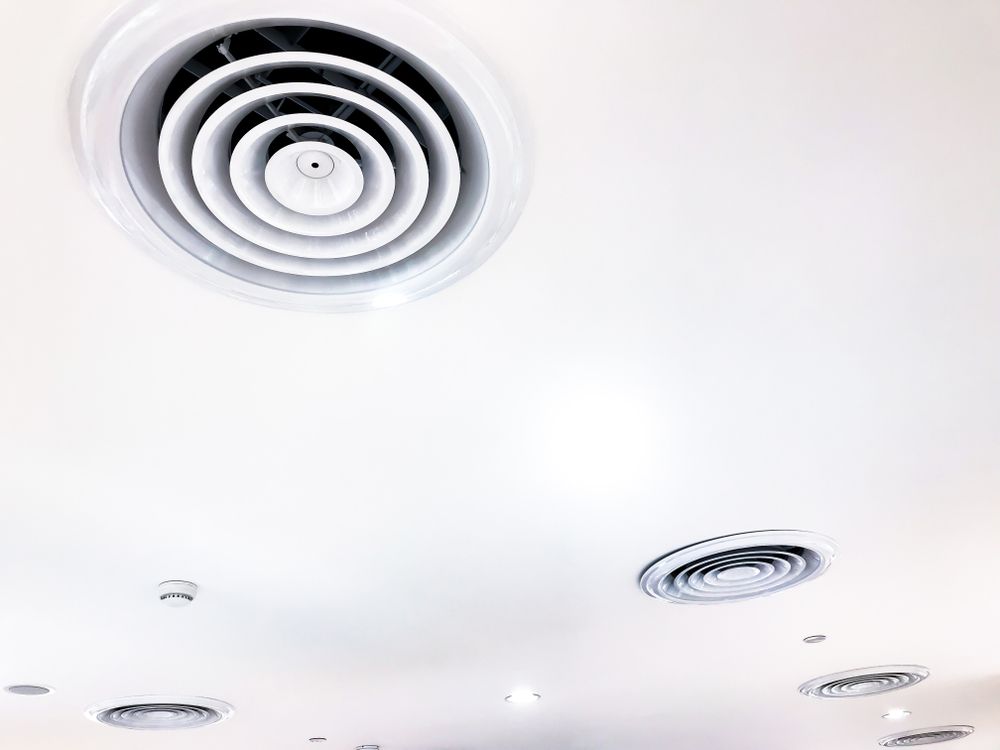
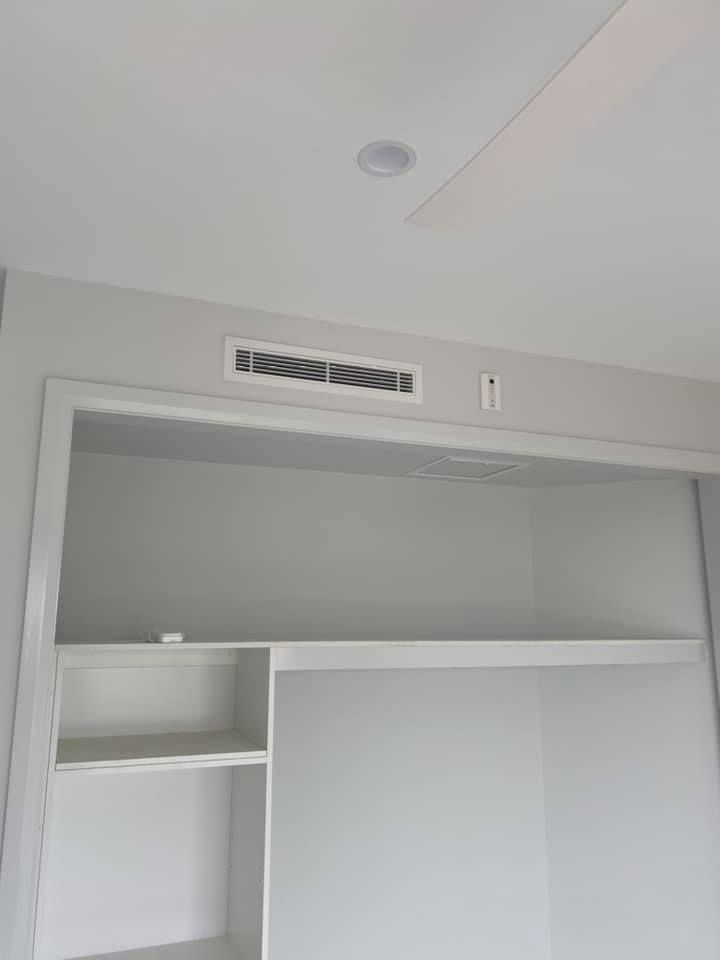
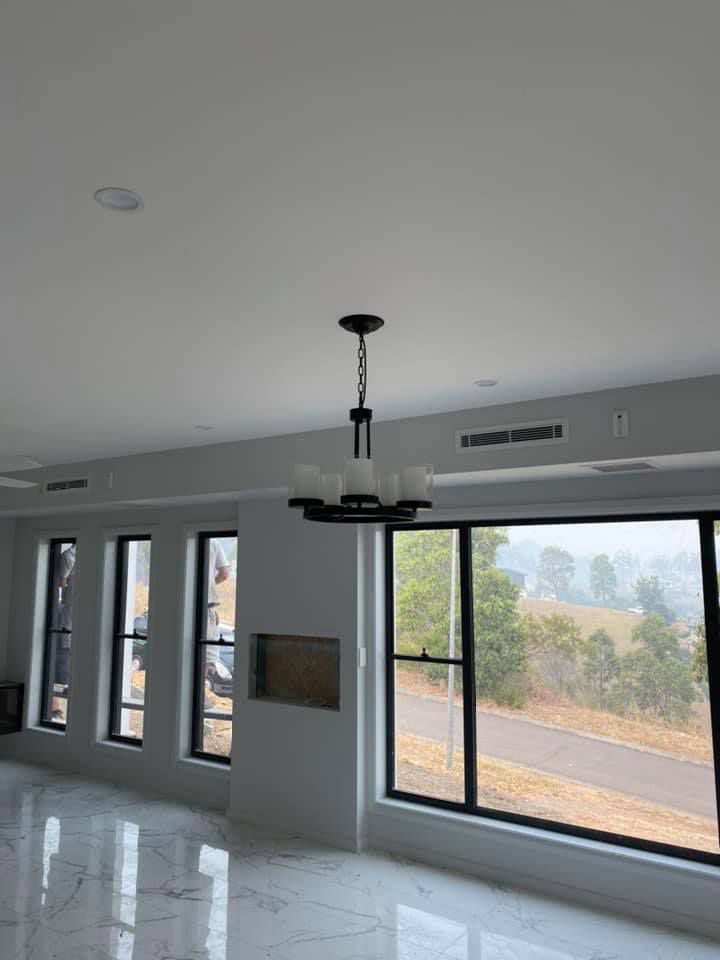
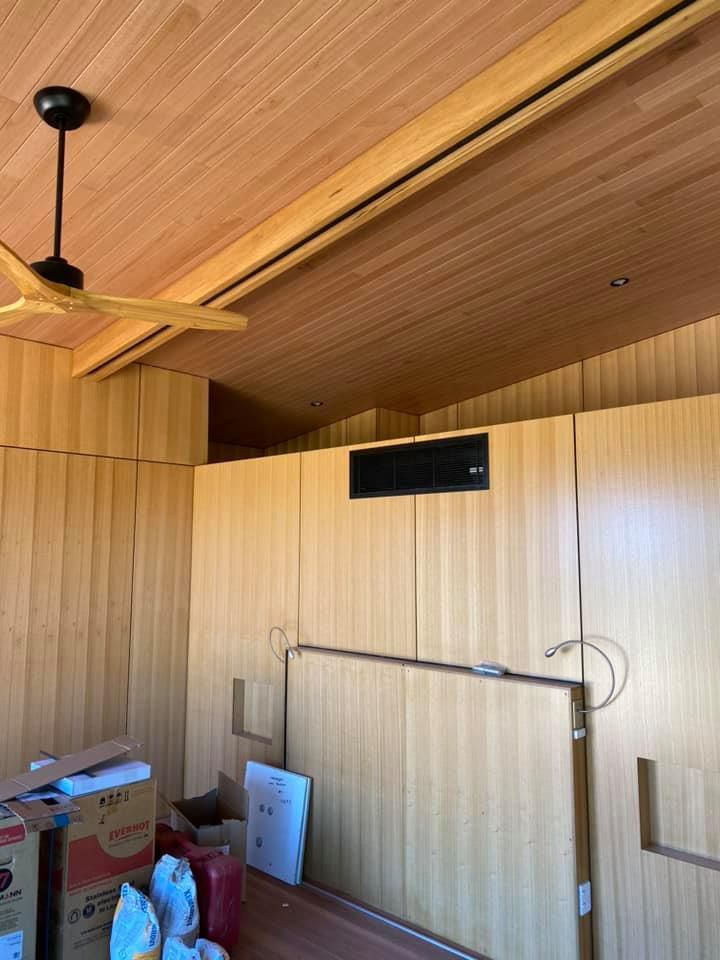
Ducted air conditioning uses a central unit, usually installed in the roof cavity, that pushes conditioned air through ducts to vents in each room. The hardware stays hidden, and the home is cooled or heated as a whole rather than room by room. This suits larger households or homes where most rooms are used regularly.
- All units and ducting sit out of sight in the ceiling space
- One thermostat controls temperature across the whole home
- Well suited to open-plan homes or larger family properties
If you want discreet, whole-home comfort, ducted air conditioning Taree systems hide the hardware in the roof cavity while still delivering consistent temperatures throughout the house.
Cost Comparison: Upfront and Running Costs
Ducted vs split system cost is usually the deciding factor for many households, and the gap between the two can be significant. Split systems have a lower upfront cost per unit, though running several separate units across a home adds up over time.
- Split systems typically cost less to purchase and install per unit
- Ducted systems involve a larger upfront investment but cool the whole home from one system
- Running costs depend on how many rooms are cooled and for how long each day
How much does ducted air conditioning cost is a common question, and the honest answer is that it varies with home size, ducting layout and the number of zones required, which is why an on-site quote gives a far more accurate figure than a general estimate.
Which Suits Your Taree Home's Layout and Roof Space
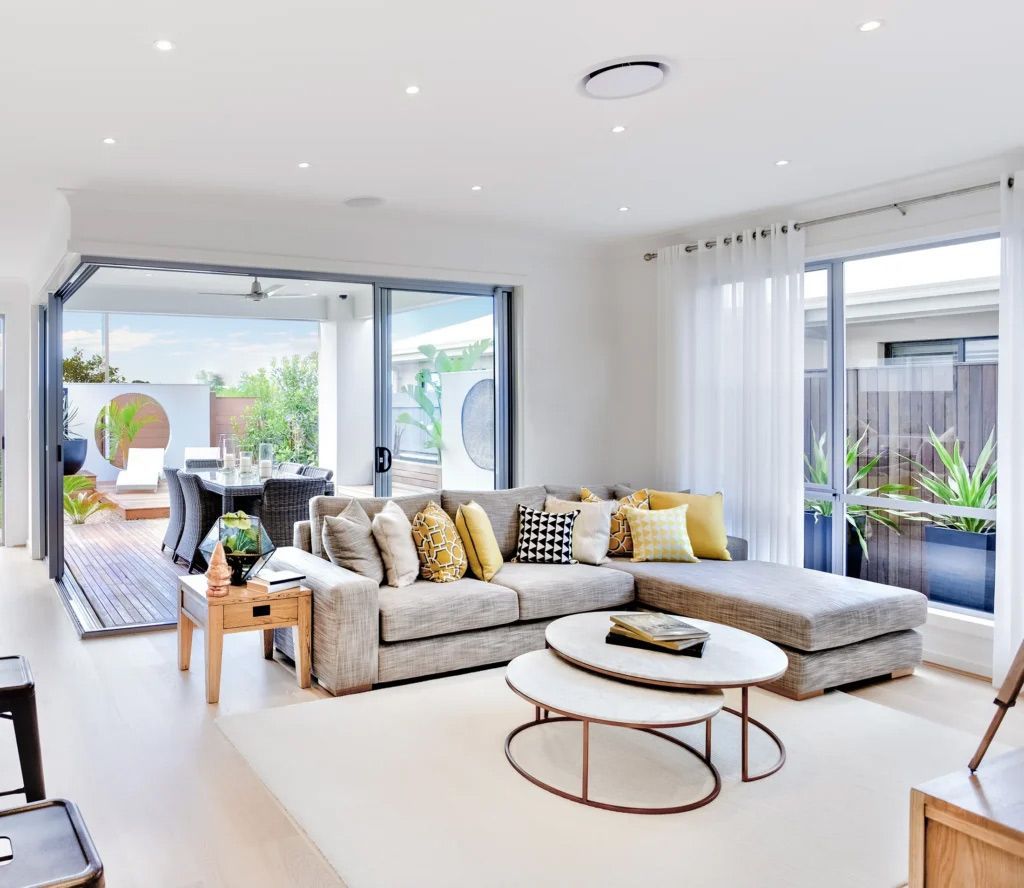
Not every home has the roof space or ceiling height needed for ducted air conditioning, and this often narrows the decision before cost even comes into it. A single-storey home with a pitched roof generally has more flexibility than a home with a flat roof or limited crawl space.
- Roof cavity height and access affect whether ducting can be installed
- Open-plan living areas often suit ducted systems particularly well
- Homes with separate, closed-off rooms may suit a mix of both systems
A site inspection remains the most reliable way to confirm what your home's layout and roof space can actually support.
Retrofitting Older Taree and Manning Valley Homes
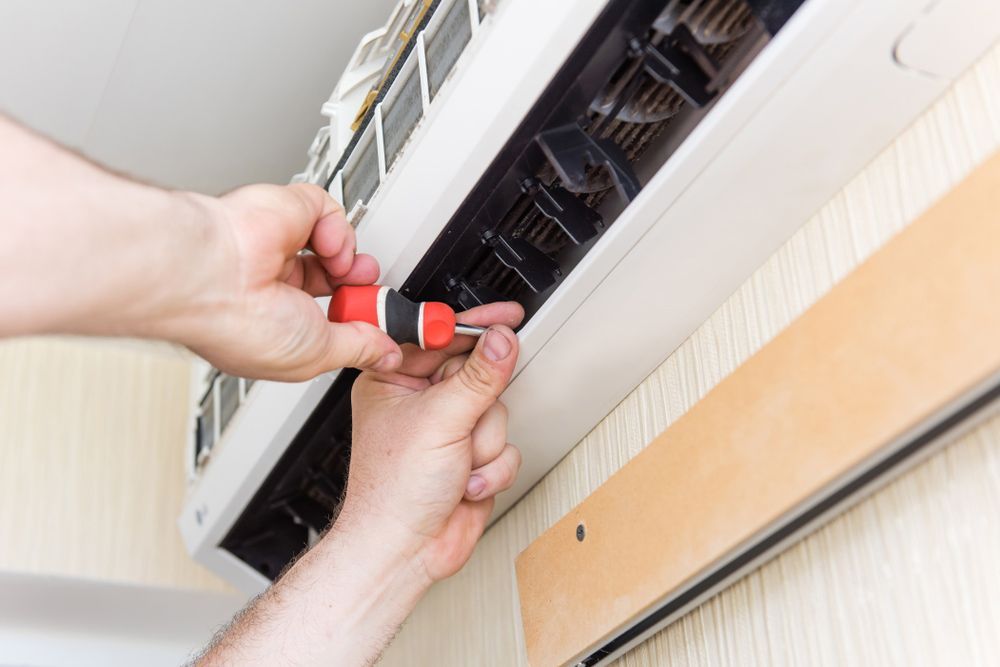
Older homes in the region were not always built with ducted systems in mind, which means retrofitting requires a closer look at existing roof space, wiring and access points. This does not rule ducted systems out, but it does mean the installation process needs more careful planning.
- Older roof cavities may need additional bracing or clearance work
- Existing wiring sometimes needs upgrading to support a new system
- Split systems can be a more straightforward retrofit where ducting is not practical
Whichever system you pick, knowing how to avoid common installation mistakes protects your warranty and efficiency, particularly in older homes where access can be tighter than expected.
Zoning and Energy Efficiency Compared
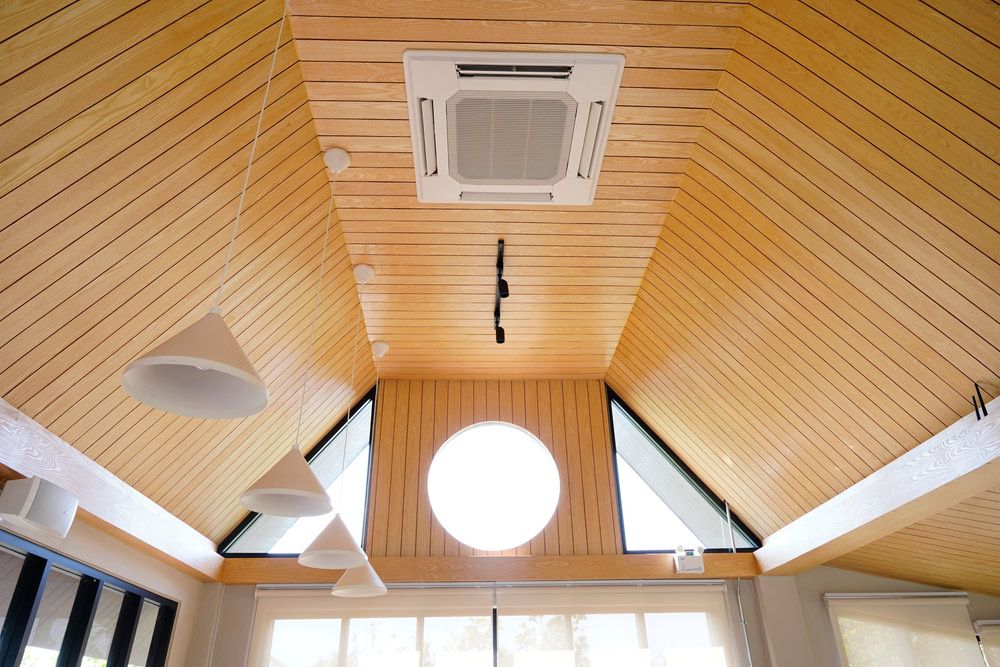
Zoning allows different areas of the home to be cooled independently, and this is where ducted systems tend to have an advantage. Rather than cooling the whole home at once, zoning directs conditioned air only to rooms in use, which can noticeably affect running costs over a season.
- Ducted systems can be zoned so unused rooms are not cooled unnecessarily
- Split systems achieve a similar effect naturally, since each unit only cools its own room
- Energy efficiency depends on matching the system's capacity to the space being cooled
- Correctly sized systems avoid the higher running costs that come with oversized or undersized units
Getting zoning right, whichever system you choose, tends to matter more for comfort and running costs than the brand or model selected.
How to Decide: A Simple Checklist
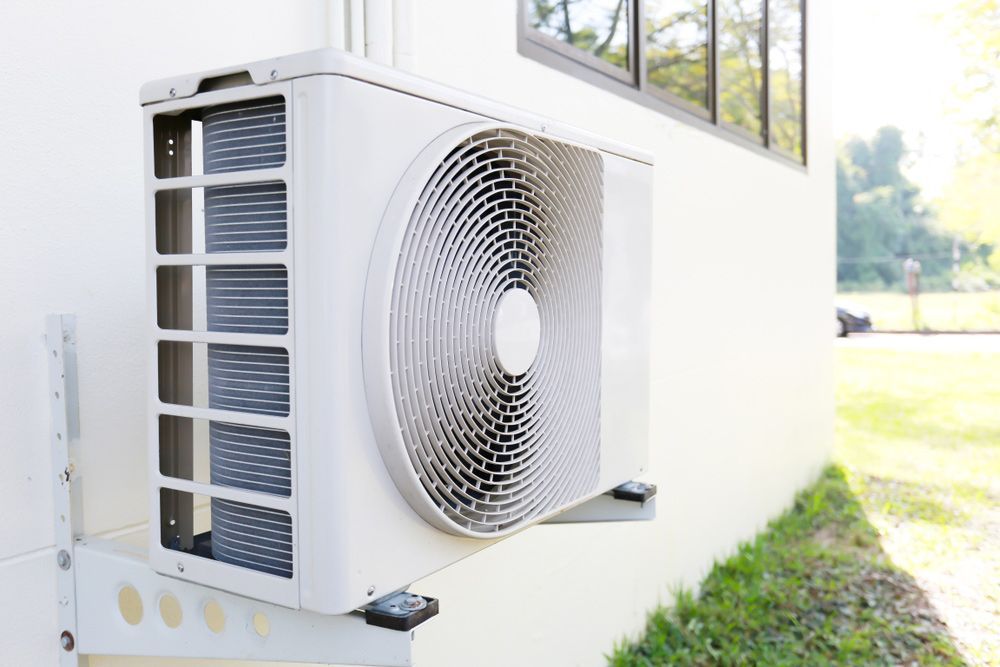
With the technical details covered, the decision often comes down to a few practical questions about how your household actually lives day to day. Running through these before contacting an installer helps narrow the field considerably.
- How many rooms need cooling on a regular basis
- Whether your roof space can accommodate ducting
- Your budget for upfront installation versus long-term running costs
- Whether you value whole-home consistency or room-by-room control
- How long you plan to stay in the home, since this affects the value of a larger upfront investment
Working through this checklist before requesting a quote makes the final conversation with an installer far more productive.
Get a Tailored Recommendation for Your Taree Home
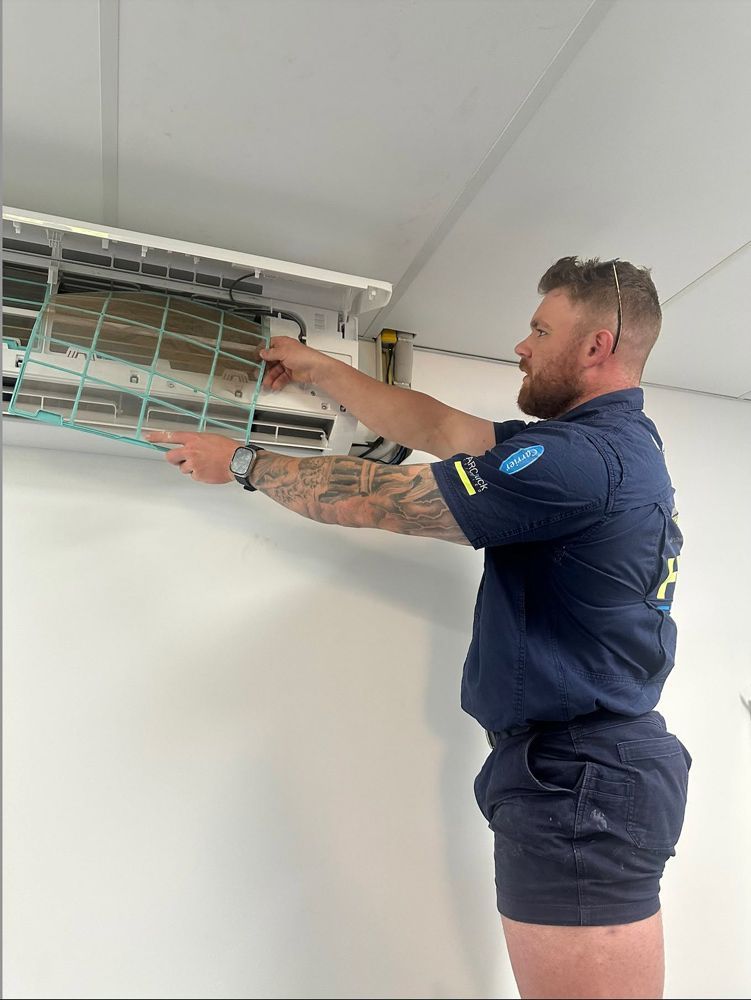
We at Aircon Mid North Coast know that split system vs ducted is rarely a one-size-fits-all decision, particularly across the varied home styles found from Taree through to the wider Manning Valley. Older weatherboard homes, newer builds and everything in between each come with their own roof space and layout considerations that affect which system makes sense. Still unsure? Get a tailored recommendation from our team before you commit, so your next system is matched properly to your home rather than chosen on cost alone.
Frequently Asked Questions